


Can You Have a Brain Injury Without a Concussion?
A concussion is one type of brain injury, but it is not the only way the brain can be affected. Falls, motor vehicle accidents, whiplash, sports impacts, and other sudden blows or jolts to the body can cause the brain to move within the skull, even when there is no direct impact to the head.
In some cases, these events do not result in a concussion diagnosis. However, repeated injuries over time may still affect how the brain functions. Some people experience headaches, dizziness, or difficulty concentrating shortly after an injury, while others may not notice changes until much later.
Understanding how repeated impacts can affect brain health is an important step in recognizing when a comprehensive neurological evaluation may be appropriate.
Key Takeaways
- A brain injury can occur even without a diagnosed concussion.
- Repeated falls, whiplash injuries, and other impacts may affect brain function over time.
- Symptoms can appear immediately or develop gradually, making them easy to overlook.
- Overall brain health may influence how the brain responds to injury and recovery.
- A comprehensive neurological evaluation may help identify persistent functional deficits and guide individualized rehabilitation.
How Can a Brain Injury Occur Without a Concussion?
A concussion is one type of traumatic brain injury, but not every injury to the brain results in a concussion diagnosis. When the body experiences a sudden impact, the brain can move within the skull, even if there is no direct blow to the head.
Events that may expose the brain to these forces include:
- Falls
- Motor vehicle accidents
- Whiplash injuries
- Contact sports
- Blast exposure
- Hard impacts to the body
A single event may not always cause noticeable symptoms or meet the criteria for a concussion diagnosis. However, repeated injuries over time may affect how the brain functions, particularly if the brain has not fully recovered from previous trauma.
Why Repeated Injuries Matter
One injury may seem minor on its own, but repeated impacts can place ongoing stress on the brain.
Over time, these repeated injuries may contribute to changes in neurological function. Depending on the individual, this may affect areas such as attention, balance, vision, memory, coordination, or cognitive performance. Research also suggests that repeated traumatic brain injuries may increase the risk of developing certain neurological conditions later in life.
This is one reason healthcare providers consider both recent and past injuries when evaluating persistent neurological symptoms.
Symptoms May Not Always Be Immediate
Not everyone experiences symptoms immediately after a brain injury. Some people notice changes within hours or days, while others develop symptoms more gradually.
Common symptoms may include:
- Headaches: Persistent or recurring headaches that develop after an injury or become more frequent over time.
- Dizziness or Vertigo: Feeling lightheaded, unsteady, or as though the room is spinning, which may affect balance and mobility.
- Brain Fog: Difficulty thinking clearly, processing information, or feeling mentally sharp during everyday tasks.
- Difficulty Concentrating: Trouble maintaining focus at work, school, or during routine activities.
- Memory Concerns: Forgetfulness, difficulty recalling recent information, or trouble retaining new information.
- Vision Changes: Blurred vision, double vision, light sensitivity, or difficulty tracking moving objects.
- Fatigue: Feeling unusually tired or mentally drained, even after adequate rest.
- Sleep Disturbances: Difficulty falling asleep, staying asleep, or feeling rested after sleep.
- Mood Changes or Increased Irritability: Feeling more anxious, emotional, frustrated, or easily irritated than usual.
Some individuals may experience only mild symptoms initially, making it difficult to recognize that the brain has been affected. If symptoms persist or interfere with daily activities, further evaluation may be appropriate.
Brain Health Before an Injury Can Influence Recovery
Every brain responds to injury differently. A person’s overall brain health before an injury may influence how well they recover afterward.
Lifestyle factors such as poor sleep, chronic stress, inadequate nutrition, limited physical activity, and ongoing inflammation can affect overall neurological health. Supporting the brain through healthy lifestyle habits may help create an environment that promotes recovery following an injury.
While healthy habits are important, they do not replace a comprehensive evaluation when neurological symptoms persist.
How Functional Neurology Supports Recovery
Some people continue experiencing headaches, dizziness, balance problems, brain fog, or difficulty concentrating even after their initial injury has healed or imaging studies appear normal.
Functional neurology evaluates how the brain and nervous system are functioning together to identify areas that may be contributing to ongoing symptoms. Following a comprehensive neurological evaluation, clinicians develop an individualized rehabilitation plan based on each person’s symptoms, functional deficits, and recovery goals.
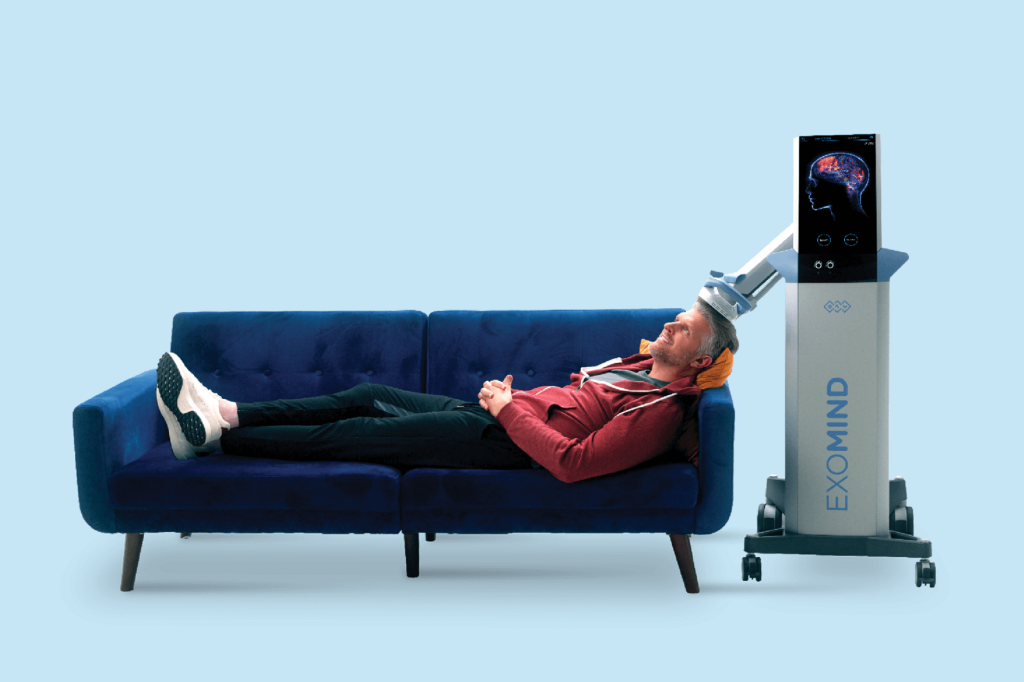
Depending on the evaluation findings, treatment may include therapies designed to support balance, vision, coordination, cognitive function, and neuroplasticity. At NeuroHealth Services, this may also include ExoMind®, a non-invasive therapy that uses transcranial magnetic stimulation (TMS) technology to support focus, mood regulation, stress management, and cognitive performance when clinically appropriate.
Because every patient’s neurological profile is unique, treatment recommendations are always personalized.
When Should You Seek a Neurological Evaluation?
If you have experienced a fall, motor vehicle accident, whiplash injury, sports impact, or other significant jolt to the body and continue experiencing neurological symptoms, a comprehensive evaluation may help determine whether additional care is appropriate.
You may benefit from an evaluation if you are experiencing:
- Persistent headaches
- Dizziness or balance problems
- Brain fog
- Difficulty concentrating
- Memory concerns
- Vision changes
- Fatigue that does not improve
- Symptoms affecting work, school, sports, or daily activities
Early evaluation can help identify factors contributing to your symptoms and guide an individualized rehabilitation plan.
Supporting Brain Health After Repeated Injuries
Brain injuries are not always obvious, and recovery looks different for every individual. Even without a concussion diagnosis, repeated impacts may affect how the brain functions over time.
If you continue experiencing neurological symptoms after a fall, accident, whiplash injury, or other impact, a comprehensive neurological evaluation may help identify the factors contributing to your symptoms and determine whether personalized rehabilitation is appropriate.
Contact NeuroHealth Services to learn more about functional neurology and schedule a comprehensive neurological evaluation.
Frequently Asked Questions
Can you have a brain injury without a concussion?
Yes. A concussion is one type of brain injury, but repeated blows or sudden jolts to the body may affect brain function even when a concussion is not diagnosed.
Can whiplash affect the brain?
Whiplash causes the head and neck to move rapidly, which may also cause the brain to move within the skull. If neurological symptoms develop after a whiplash injury, a comprehensive evaluation may help determine whether additional assessment is appropriate.
What are the signs of a brain injury?
Symptoms vary from person to person but may include headaches, dizziness, balance problems, brain fog, memory concerns, vision changes, fatigue, sleep disturbances, and difficulty concentrating.
Can repeated minor head injuries lead to long-term problems?
Research suggests that repeated traumatic brain injuries may contribute to changes in brain function over time and may increase the risk of certain neurological conditions. If symptoms persist, it is important to discuss them with a qualified healthcare provider.
How can functional neurology help after a brain injury?
Functional neurology evaluates how the brain and nervous system are functioning and uses individualized rehabilitation strategies to address persistent neurological symptoms. Treatment recommendations are based on a comprehensive evaluation and each patient’s unique needs.
NEUROHEALTH SERVICES
Get back to feeling like yourself naturally. Natural treatment for neural and chronic pain.
CATEGORIES
Recent Articles
ExoMind™ : A New Era of Brain Health & Recovery
Introducing ExoMind™ at NeuroHealth Services: A New Era of Brain Health & Recovery By Dr. Brad Ralston,…
Understanding the Brain’s Cognitive Landscape: The Areas of the Brain and Their Processes
On the NeuroHealth Blog, we’ve explored a range of the common symptoms we treat at Neurohealth Services,…

How Does Functional Neurology Treat Vestibular Disorders?
Many of the conditions we treat at Neuroheatlh Services involve disorders of the inner ear or the…
Is Neurorehabilitation for you?
NeuroHealth provides neurorehabilitation for all ages, specializing in treatment for vertigo, migraines, post-concussion syndrome, and other neurological disorders. Contact our office today.