
Dizziness and Balance Issues After Concussion Treatment
Dizziness and Balance Issues After Concussion
Are you still experiencing dizziness or balance problems after a concussion?
Dizziness is one of the most common and disruptive symptoms following a concussion. You may feel unsteady when walking, off balance in busy environments, or like the room is moving when it should not be. Simple activities such as turning your head, standing up, or being in a crowded space can trigger discomfort.
For some, these symptoms improve with time. For others, they persist and begin to affect daily life.
At NeuroHealth Services, we provide targeted concussion treatment for individuals experiencing dizziness and balance issues by identifying the underlying cause and restoring how the brain processes movement and position.
Why Dizziness Happens After a Concussion
Dizziness after a concussion is often linked to disruption in the vestibular system, which controls balance and spatial awareness.
This system works closely with your eyes and brain to help you:
- Stay upright and steady
- Track movement smoothly
- Understand where your body is in space
When these systems are not working together properly, it can lead to ongoing dizziness, instability, and disorientation.
Even if imaging appears normal, these functional issues can still be present and continue to affect how you feel.
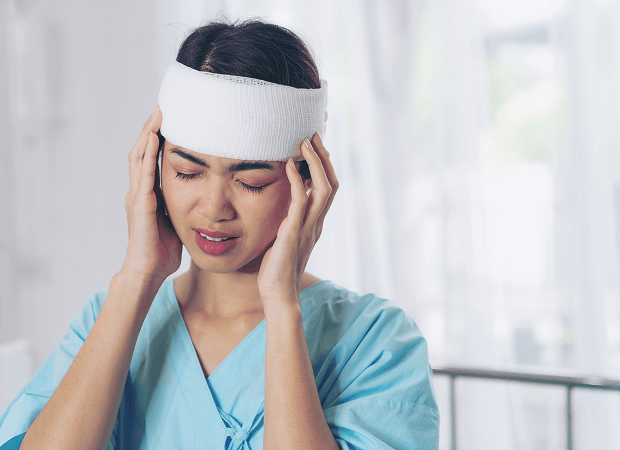
Common Symptoms You May Notice
Dizziness and balance issues after a concussion can present in different ways, including:
Feeling lightheaded
or unsteady
A sensation of
spinning or motion
Difficulty walking in a straight line
Losing balance
easily
Feeling worse in busy or visually complex environments
Sensitivity to movement or quick head turns
Nausea related to
motion
These symptoms can make everyday activities feel unpredictable, uncomfortable, and exhausting.
When Dizziness Does Not Improve
If your dizziness has lasted longer than expected, it may be a sign that your vestibular system has not fully recovered.
Many individuals are told to wait it out. While rest is important early on, persistent symptoms often require a more targeted approach.
Without proper treatment, your brain may continue relying on inefficient patterns, which can prolong symptoms and delay recovery.

How We Treat Dizziness and Balance Issues
At NeuroHealth Services, we take a targeted approach to treating vestibular dysfunction after a concussion.
Your care begins with a detailed evaluation to understand how your balance, vision, and brain are interacting. From there, we create a personalized treatment plan that may include targeted approaches such as NeuroReset Therapy to help improve how these systems work together.
Vestibular
Rehabilitation
Exercises designed to retrain how your brain processes balance and movement, helping reduce dizziness and improve stability.
Oculomotor
Therapy
Your visual system plays a key role in balance. These exercises improve eye coordination and tracking, which can reduce symptoms triggered by motion.

Balance and
Coordination Training
Structured activities that help your body relearn how to maintain stability across different environments.

Neurological
Stimulation
Targeted techniques to support brain function and improve communication between systems involved in balance and movement
Each program is tailored to your symptoms and how your body is responding.
Why Our Approach Is Different
Dizziness after a concussion is often misunderstood or
under-treated.
Traditional care may focus on avoiding triggers or waiting for symptoms to improve. While this may provide temporary relief, it does not always address the underlying cause.
At NeuroHealth Services:
- We identify what is driving your dizziness
- We address how your brain processes movement
- We retrain the systems responsible for balance
- We create a structured and personalized recovery plan
This approach is designed to help you regain stability and move with confidence.
Who This Is For
Who We Help at NeuroHealth Services
- You are experiencing dizziness or balance problems after a concussion
- Your symptoms have not improved with time
- You feel worse in busy environments or with movement
- You avoid certain activities because of instability
- You want a clear and targeted recovery plan
If dizziness is affecting your daily life, there may be a reason and a solution.

What Recovery Can Look Like
As your vestibular system improves, many patients begin to notice:

Improved clarity
and focus

Better balance and coordination
Reduced dizziness
and discomfort
Greater confidence
in daily activities
The goal is to help you return to normal activities without constantly thinking about your symptoms.
Start Moving with Confidence Again
Dizziness and balance issues after a concussion can feel overwhelming, but they are often treatable with the right approach.
At NeuroHealth Services, we help you understand what is causing your symptoms and guide you through a personalized plan to improve how your brain and body function.
Schedule your consultation today and take the next step toward steady, confident movement.