


Treating Balance and Coordination Problems with Functional Neurology
Balance and coordination play an important role in everyday life, helping you move with confidence and stay active in your daily routines. When these functions are affected, even simple activities like walking, driving, or turning your head can feel more difficult or less stable.
These changes can happen for a variety of reasons, including injury, neurological conditions, or age-related shifts in how the body processes movement. Understanding what may be contributing to these symptoms is an important first step toward finding the right kind of support.
Why Do I Feel Off-Balance But Not Dizzy?
It’s possible to feel off-balance without experiencing dizziness, and this can be frustrating or confusing. Balance depends on several systems working together, including the inner ear, vision, and the body’s awareness of position and movement.
When one or more of these systems are not functioning as efficiently, you may notice:
- A sense of unsteadiness when walking
- Difficulty maintaining balance in certain positions
- Feeling “off” even without spinning or vertigo
Some common contributing factors may include:
- Recovery from a stroke or neurological event
- Concussion or mild traumatic brain injury
- Inner ear or vestibular dysfunction
- Changes in blood flow affecting brain function
- Gradual changes associated with aging
Because these systems are closely connected, symptoms don’t always present in obvious ways. A structured evaluation can help identify which areas may be contributing to these changes.
Understanding Functional Neurology
Functional neurology looks at how the brain and nervous system are working together as a whole. Rather than focusing on symptoms alone, this approach considers how different parts of the brain communicate and coordinate with the body.
In the context of functional neurology for balance and coordination, the goal is to better understand how sensory input, movement, and internal processing are interacting. This can help identify patterns that may be contributing to instability or difficulty with coordination.
Based on these findings, targeted strategies may be used to support neuroplasticity, which is the brain’s natural ability to adapt and reorganize over time.
How the Central Nervous System Affects Balance
The central nervous system helps process information from the eyes, inner ear, and muscles to maintain stability and coordination. When this process is disrupted, it can affect how the body responds to movement and changes in position.
You may notice:
- Unsteadiness or loss of balance
- Changes in coordination or movement control
- Difficulty with spatial awareness
- Challenges with visual tracking or focus
Functional neurology focuses on evaluating how these systems work together, which can help guide a more personalized approach to care.
Assessment and Supportive Therapies
A range of diagnostic tools and supportive therapies may be used as part of an individualized plan. These approaches are selected based on each person’s specific needs and may be adjusted over time.
Somatosensory Evoked Potential (SSEP)
SSEP is used to assess how signals travel through the nervous system. Gentle stimulation is applied to specific areas of the body, and the brain’s responses are measured to evaluate how effectively these signals are being transmitted.
This type of assessment can provide insight into how sensory pathways are functioning, particularly in cases where symptoms are present but not fully explained by standard imaging. By identifying areas where signal transmission may be slower or less coordinated, providers can better understand how different parts of the nervous system are communicating.
These findings may help guide a more targeted and individualized approach to care.
Vestibular Therapy
Vestibular therapy focuses on how the brain processes balance-related signals from the inner ear, eyes, and body. Because these systems work closely together, even small disruptions can affect stability, coordination, and spatial awareness.
Therapy may include guided exercises designed to:
- Improve balance and postural control
- Reduce sensitivity to motion
- Support coordination between visual and vestibular systems
Over time, these exercises are typically adjusted based on how the individual responds. The goal is to help the brain adapt to changes and improve how it processes movement and position.
GyroStim
The GyroStim involves controlled, multi-axis movement while seated in a computer-guided chair. This type of therapy is designed to engage the brain’s balance and spatial orientation systems in a structured and controlled environment.
By exposing the body to different movement patterns, the GyroStim may help:
- Challenge coordination and reaction time
- Support spatial awareness
- Encourage the brain to adapt to changing sensory input
Because the movements are adjustable, sessions can be tailored to the individual’s comfort level and gradually progress over time as tolerance improves.
Balance and Coordination Therapy
Balance and coordination therapy typically includes a combination of targeted exercises designed to improve how the body responds to movement and maintains stability.
These may include:
- Gaze stabilization exercises to support visual focus during movement
- Tracking exercises to improve eye coordination
- Postural control activities to enhance balance in different positions
These skills are important for many everyday activities, including walking in busy environments, driving, reading, and participating in physical tasks.
Therapy is usually adapted based on individual needs, with adjustments made over time to support gradual improvement in coordination and confidence with movement.
You can learn more about available treatment tools here.
Individualized Assessment and Care Planning
A functional neurology approach typically begins with a detailed evaluation to better understand how the nervous system is functioning. A Discovery Day assessment may include an analysis of sensory processing, coordination, eye movements, and postural control.
Based on this evaluation, a personalized plan may be developed to support balance, coordination, and overall neurological function.
A Personalized Approach to Supporting Balance and Coordination
Balance and coordination challenges can affect people in different ways depending on the underlying cause. Taking a personalized, systems-based approach allows care to be tailored to your specific needs and goals.
By focusing on how the brain and body work together, functional neurology may help support improvements in stability, movement, and overall quality of life over time.
When to Seek an Evaluation
If you’ve been experiencing ongoing changes in balance, coordination, or spatial awareness, it may be helpful to seek a professional evaluation. Understanding what’s contributing to these symptoms can make it easier to explore appropriate next steps.
To request an appointment, click here.
You may also call (317) 848-6000 to schedule a free 15-minute phone consultation.
NEUROHEALTH SERVICES
Get back to feeling like yourself naturally. Natural treatment for neural and chronic pain.
CATEGORIES
Recent Articles
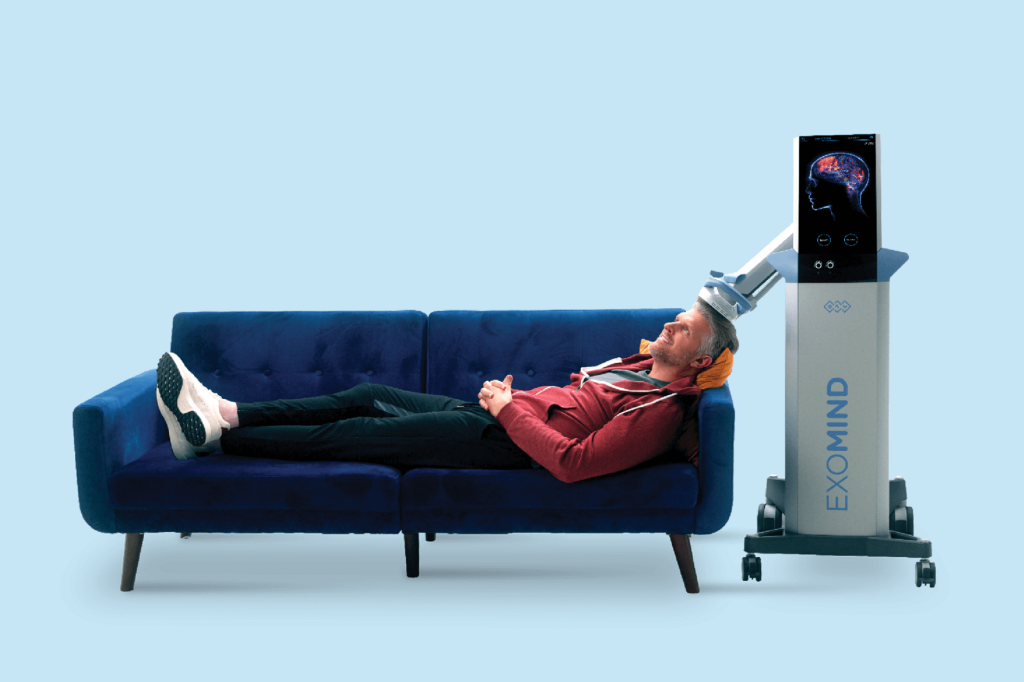
ExoMind™ : A New Era of Brain Health & Recovery
Introducing ExoMind™ at NeuroHealth Services: A New Era of Brain Health & Recovery By Dr. Brad Ralston,…

Understanding the Brain’s Cognitive Landscape: The Areas of the Brain and Their Processes
On the NeuroHealth Blog, we’ve explored a range of the common symptoms we treat at Neurohealth Services,…

How Does Functional Neurology Treat Vestibular Disorders?
Many of the conditions we treat at Neuroheatlh Services involve disorders of the inner ear or the…
Is Neurorehabilitation for you?
NeuroHealth provides neurorehabilitation for all ages, specializing in treatment for vertigo, migraines, post-concussion syndrome, and other neurological disorders. Contact our office today.