


What is Brain Fog and How Do We Treat It?
Many patients seek care for persistent symptoms such as poor concentration, memory lapses, mental fatigue, or difficulty thinking clearly. These experiences are often described as “brain fog.” While brain fog is not a formal medical diagnosis, it reflects a pattern of cognitive dysfunction that can interfere with daily performance and overall quality of life.
Effective brain fog treatment begins with identifying the underlying cause. In some cases, symptoms are linked to a recent illness, concussion, hormonal imbalance, chronic inflammation, or prolonged stress. In other individuals, brain fog develops gradually and becomes noticeable over time.
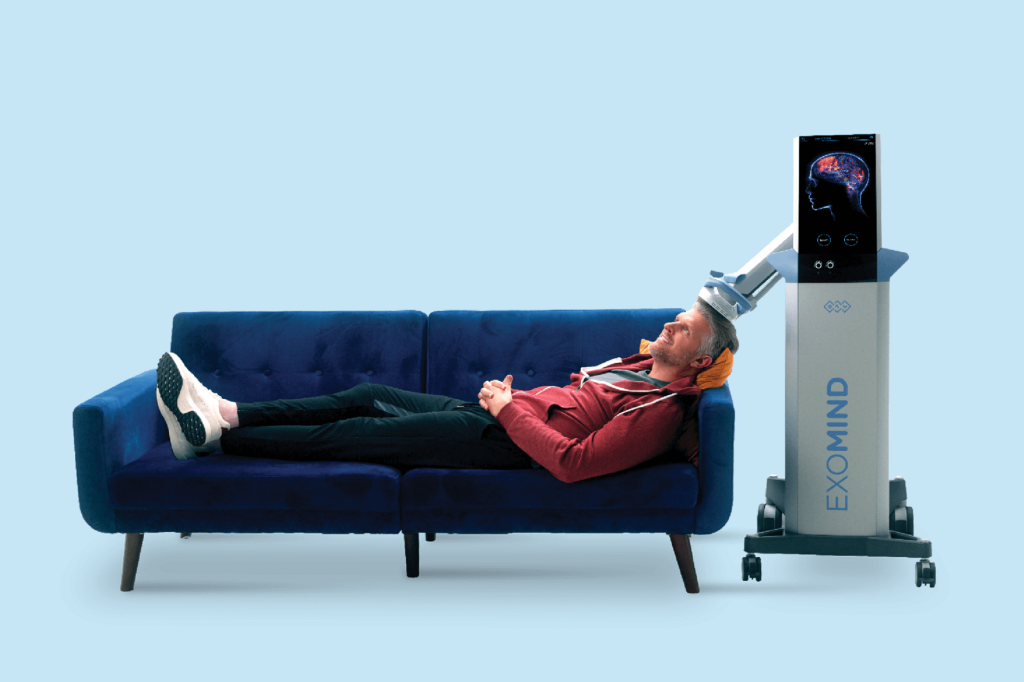
At Neurohealth Services, our providers use advanced diagnostics to evaluate cognitive function and identify contributing factors. Brain fog treatment may include targeted lifestyle strategies, cognitive rehabilitation, and, when clinically appropriate, neuromodulation therapies such as Exomind to support attention, executive function, and mental clarity.
What Is Brain Fog?
Brain fog is a commonly used term to describe a collection of cognitive symptoms that affect mental clarity, focus, and processing speed. Although it is not a formal medical diagnosis, it reflects real and measurable changes in cognitive function that can interfere with daily life.
Common brain fog symptoms include difficulty concentrating, forgetfulness, slowed thinking, mental fatigue, word-finding challenges, and reduced executive function. Some individuals describe it as feeling mentally “cloudy” or as though their thinking is less sharp than usual. Tasks that once felt automatic, such as organizing thoughts, recalling information, or sustaining attention, may require increased effort.
Brain fog can be temporary or persistent depending on the underlying cause. Because these symptoms can overlap with conditions such as post-viral fatigue, concussion-related cognitive changes, hormonal shifts, stress-related dysfunction, or chronic inflammation, accurate evaluation is essential. Identifying the root cause is the first step toward developing an effective brain fog treatment plan tailored to the individual.
What Conditions Cause Brain Fog?
Brain fog is not a condition itself but a symptom of an underlying imbalance or disruption in cognitive function. Identifying the root cause is essential for developing an effective brain fog treatment plan. In many cases, symptoms are multifactorial and may involve a combination of neurological, metabolic, inflammatory, and lifestyle-related factors.
One of the most widely recognized causes of brain fog in recent years has been post-viral illness. Viral infections such as COVID-19, influenza, and even the common cold can trigger inflammatory responses that temporarily affect attention, processing speed, and memory. While inflammation is part of the body’s immune defense, it can influence brain signaling during recovery.
Other common causes of brain fog include:
- Concussion or mild traumatic brain injury, which can disrupt neural communication and executive function
- Vestibular system dysfunction, affecting balance, spatial awareness, and cognitive clarity
- Hormonal imbalances, including thyroid dysfunction or perimenopausal changes
- Chronic systemic inflammation, sometimes related to dietary factors or autoimmune conditions
- Sleep disruption or chronic stress, both of which directly affect concentration and working memory
- Medication side effects, particularly those that influence neurotransmitter activity
Because symptoms of chronic brain fog can overlap with multiple conditions, thorough evaluation is important. Accurate diagnosis allows providers to distinguish between temporary cognitive fatigue and more persistent neurological dysfunction, guiding a personalized brain fog treatment strategy.
How Long Does Brain Fog Last?
The duration of brain fog depends largely on its underlying cause. For some individuals, symptoms may resolve within a few days as the body recovers from acute stress or illness. In other cases, cognitive changes may persist for several weeks or longer.
Post-viral brain fog, including symptoms following influenza or COVID-19, can sometimes continue after other physical symptoms have improved. Research suggests that inflammation and immune activation during recovery may temporarily influence attention, processing speed, and mental clarity.
When brain fog is associated with concussion or mild traumatic brain injury, symptoms may persist for weeks or months, particularly if underlying neurological imbalances are not addressed. Chronic brain fog may also occur when contributing factors such as hormonal shifts, sleep disruption, or ongoing stress remain unresolved.
Because duration varies widely, identifying the root cause is essential. A comprehensive evaluation helps determine whether symptoms are likely to resolve naturally or whether a structured brain fog treatment plan may be beneficial.
How Do We Treat Brain Fog?
Effective brain fog treatment begins with identifying the underlying cause of cognitive dysfunction. At Neurohealth Services, we use advanced diagnostics to evaluate attention networks, executive function, processing speed, and overall neurological balance. Because brain fog can stem from multiple contributing factors, treatment is individualized rather than standardized.
Depending on clinical findings, brain fog treatment may include lifestyle modifications, cognitive rehabilitation strategies, and neuromodulation therapies. We also utilize advanced treatment tools, including Exomind, photobiomodulation, and VieLight therapy, to support attention regulation, neural activity, and cognitive performance when clinically appropriate.
Personalized Brain Fog Treatment at Neurohealth Services
Our comprehensive Discovery Day evaluation provides an in-depth assessment of brain health, sleep patterns, nutrition, stress load, and medical history. This structured approach allows our providers to develop a research-informed, personalized brain fog treatment plan focused on improving mental clarity and daily performance.
If you are experiencing persistent brain fog symptoms, a professional neurological evaluation can help determine the most appropriate next steps. Schedule a comprehensive consultation to better understand your cognitive health and explore individualized brain fog treatment options, or call (317) 848-6000 to speak with our team.
NEUROHEALTH SERVICES
Get back to feeling like yourself naturally. Natural treatment for neural and chronic pain.
CATEGORIES
Recent Articles
ExoMind™ : A New Era of Brain Health & Recovery
Introducing ExoMind™ at NeuroHealth Services: A New Era of Brain Health & Recovery By Dr. Brad Ralston,…

Understanding the Brain’s Cognitive Landscape: The Areas of the Brain and Their Processes
On the NeuroHealth Blog, we’ve explored a range of the common symptoms we treat at Neurohealth Services,…

How Does Functional Neurology Treat Vestibular Disorders?
Many of the conditions we treat at Neuroheatlh Services involve disorders of the inner ear or the…
Is Neurorehabilitation for you?
NeuroHealth provides neurorehabilitation for all ages, specializing in treatment for vertigo, migraines, post-concussion syndrome, and other neurological disorders. Contact our office today.