

Functional Neurology vs. Medical Neurology: Understanding the Differences
Many people assume that if an MRI, CT scan, or other neurological test comes back normal, their symptoms should disappear. However, some individuals continue experiencing headaches, dizziness, brain fog, balance problems, visual disturbances, or difficulty concentrating long after an injury or despite previous medical evaluations.
While traditional neurological care plays an essential role in diagnosing and treating neurological diseases, some patients may benefit from a more comprehensive evaluation of how their nervous system is functioning.
This is where understanding the difference between functional neurology and medical neurology becomes important. Although both disciplines focus on the brain and nervous system, they approach neurological health from different perspectives and often complement one another throughout a patient’s care journey.
Key Takeaways
- Medical neurology focuses on diagnosing neurological diseases, while functional neurology evaluates how the nervous system is functioning.
- Medical and functional neurology often work together to support diagnosis, treatment, rehabilitation, and long-term recovery.
- Persistent symptoms such as headaches, dizziness, or brain fog can continue even when imaging results appear normal.
- Functional neurology uses personalized assessments and neuroplasticity-based rehabilitation to support neurological function.
- A comprehensive neurological evaluation can help identify individualized treatment strategies based on your symptoms and recovery goals.
Functional Neurology vs. Medical Neurology: What’s the Difference?
Functional neurology and medical neurology share a common goal of improving neurological health, but they differ in how they evaluate and manage neurological conditions. Rather than replacing one another, the two approaches often work together to provide more comprehensive patient care.
Medical neurology is the traditional medical specialty responsible for diagnosing and treating diseases that affect the brain, spinal cord, nerves, and muscles. Neurologists evaluate patients using neurological examinations, medical history, imaging studies such as MRI or CT scans, laboratory testing, and other diagnostic procedures to identify structural abnormalities or neurological diseases.
Treatment recommendations may include medication, surgery, referrals to other specialists, or long-term medical management depending on the diagnosis. Medical neurologists commonly care for patients with conditions such as stroke, epilepsy, Parkinson’s disease, multiple sclerosis, Alzheimer’s disease, and traumatic brain injuries.
Functional neurology also focuses on the nervous system but places greater emphasis on how the brain and body are functioning together. Instead of looking only for structural abnormalities, functional neurologists evaluate communication between different regions of the brain and nervous system to better understand how neurological function may be contributing to a patient’s symptoms.
This approach recognizes that neurological symptoms sometimes persist even when imaging appears normal. Difficulties with balance, vision, coordination, cognition, movement, or sensory processing may reflect changes in neurological function that require further assessment and individualized rehabilitation.
| Medical Neurology | Functional Neurology |
| Focuses on diagnosing and treating neurological diseases and structural disorders | Focuses on evaluating how the nervous system functions as a whole |
| Uses neurological examinations, imaging, laboratory testing, and other diagnostic procedures | Uses comprehensive functional neurological assessments to evaluate brain performance |
| Treatment may include medication, surgery, or long-term medical management | Treatment emphasizes individualized rehabilitation that supports neuroplasticity |
| Commonly manages conditions such as stroke, epilepsy, Parkinson’s disease, and multiple sclerosis | Often evaluates patients experiencing persistent symptoms affecting balance, vision, cognition, movement, or coordination |
| Primarily focuses on diagnosing and managing neurological disease | Focuses on improving neurological function and supporting recovery through personalized care |
How Medical Neurology and Functional Neurology Work Together
Many people mistakenly believe they must choose between medical neurology and functional neurology. In reality, the two disciplines often complement one another.
For example, a medical neurologist may diagnose a concussion, vestibular disorder, migraine, or other neurological condition before referring a patient for rehabilitation. Functional neurological care may then focus on improving lingering symptoms such as dizziness, visual disturbances, balance deficits, brain fog, or difficulty concentrating that continue affecting daily life after the initial diagnosis has been made.
Similarly, individuals living with chronic neurological symptoms despite normal imaging or previous treatment may benefit from a comprehensive functional neurological evaluation that looks beyond structural findings to better understand how the nervous system is performing.
Together, medical neurology and functional neurology can provide a more complete picture of neurological health while helping patients receive individualized care that addresses both diagnosis and rehabilitation.
Understanding Neuroplasticity
One of the key principles behind functional neurology is neuroplasticity, the brain’s remarkable ability to adapt, reorganize, and strengthen its neural connections throughout life.
Following an injury or neurological condition, some areas of the brain may function differently while other regions compensate for those changes. Neuroplasticity allows the brain to form new pathways that support learning, recovery, and improved neurological performance over time.
Functional neurology uses this concept to guide rehabilitation. Through carefully selected therapies and targeted neurological stimulation, clinicians aim to activate specific brain networks involved in movement, balance, vision, cognition, coordination, and sensory processing. These therapies are designed to encourage healthy neurological adaptation while supporting each patient’s recovery goals.
Because every individual’s symptoms, medical history, and neurological function are unique, treatment plans are highly personalized. A comprehensive evaluation helps identify which neurological systems may benefit from rehabilitation and allows clinicians to monitor progress throughout treatment.
When Should You See a Functional Neurologist?
Functional neurology may benefit individuals experiencing persistent neurological symptoms that continue affecting their quality of life, particularly when those symptoms remain despite previous evaluations or treatment. While it is not a replacement for traditional neurological care, it can provide additional insight into how the brain and nervous system are functioning and whether personalized rehabilitation may help improve neurological performance.
A functional neurological evaluation may be appropriate if you are experiencing:
- Persistent symptoms following a concussion or mild traumatic brain injury
- Frequent migraines or recurring headaches
- Dizziness, vertigo, or balance problems
- Brain fog, memory concerns, or difficulty concentrating
- Vision or eye movement difficulties
- Tremors, dystonia, or other movement disorders
- Symptoms associated with dysautonomia, including Postural Orthostatic Tachycardia Syndrome (POTS)
- Neurobehavioral conditions such as ADHD or autism spectrum disorder
- A desire to better understand and optimize overall brain health
Every patient’s neurological profile is unique. Rather than focusing solely on a diagnosis, functional neurologists evaluate how different neurological systems work together to identify functional deficits that may be contributing to ongoing symptoms. This information helps guide individualized rehabilitation strategies tailored to each person’s specific needs and recovery goals.
Conditions That May Benefit from Functional Neurology
Functional neurology may be incorporated into the care of individuals experiencing a variety of neurological conditions. Depending on each patient’s symptoms, medical history, and examination findings, rehabilitation programs are designed to support recovery while improving neurological function and daily performance.
Concussion and Post-Concussion Syndrome
Although many individuals recover from a concussion within a few weeks, others continue experiencing headaches, dizziness, brain fog, visual disturbances, fatigue, or difficulty concentrating long after the initial injury. Functional neurology focuses on identifying the neurological deficits contributing to these persistent symptoms and developing individualized rehabilitation programs that support recovery.
Migraines
Migraines involve more than severe headaches alone. Many people also experience dizziness, light sensitivity, nausea, cognitive fatigue, and visual changes that interfere with daily activities. Functional neurological evaluations consider multiple factors that may contribute to migraine symptoms and help guide personalized treatment strategies.
Balance, Vestibular, and Movement Disorders
Conditions affecting balance, coordination, or movement can significantly impact independence and confidence. Functional neurology evaluates how the visual, vestibular, sensory, and motor systems work together to maintain stability and coordinated movement. Patients experiencing vestibular disorders, dysautonomia (POTS), tremors, dystonia, or other movement disorders may benefit from rehabilitation strategies designed to improve balance, coordination, and spatial awareness.
Neurobehavioral Disorders and Cognitive Health
Children and adults living with neurological or developmental conditions such as ADHD or autism spectrum disorder may benefit from a comprehensive evaluation that considers how multiple body systems influence neurological function. Functional neurology also supports individuals who want to optimize cognitive performance, improve focus, or better understand factors affecting their overall brain health.
Because no two patients experience neurological conditions in exactly the same way, treatment recommendations are always personalized. A comprehensive evaluation allows clinicians to identify each patient’s unique challenges and develop rehabilitation strategies that align with their symptoms, functional goals, and overall health.
What to Expect During a Functional Neurology Evaluation
A functional neurology evaluation is designed to understand how your brain and nervous system are functioning, not just whether a disease or structural abnormality is present. Your clinician will review your medical history, symptoms, previous testing, and overall health before performing a detailed neurological assessment.
Depending on your symptoms, the evaluation may include advanced diagnostic tools such as Discovery Day, RightEye®, Video Nystagmography (VNG), and Computerized Dynamic Posturography (CAPS®) to assess brain function, eye movements, balance, reaction time, and other aspects of neurological performance. Additional technologies, including Dynavision D2®, Interactive Metronome®, and Reflex Neurocognitive Testing, may also be used to provide a more complete picture of your neurological health.
The information gathered during these assessments helps clinicians identify functional deficits, monitor progress over time, and develop a personalized rehabilitation plan tailored to your symptoms and recovery goals.
How Functional Neurology Supports Recovery at NeuroHealth Services
Following a comprehensive evaluation, clinicians develop a personalized treatment plan based on each patient’s symptoms, neurological function, and recovery goals. Rather than relying on a single therapy, functional neurology combines evidence-informed rehabilitation strategies that support neuroplasticity and improve communication between different areas of the brain.
Depending on the individual’s needs, treatment may include:
- Oculomotor rehabilitation: Improves eye tracking, visual processing, depth perception, and coordination between the eyes and brain.
- Vestibular therapy: Helps reduce dizziness, improve balance, and enhance spatial awareness.
- Reaction time therapy: Supports faster cognitive processing, coordination, and motor performance.
- NeuroReset®: An intensive rehabilitation program designed to help individuals recovering from concussions and other neurological conditions.
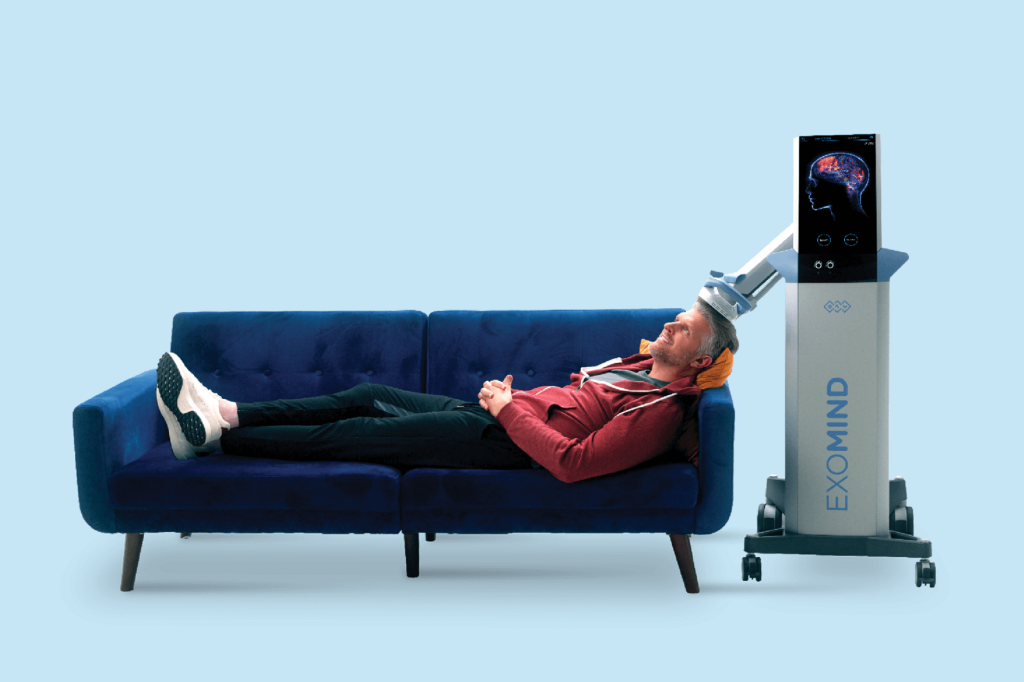
- ExoMind®: A non-invasive therapy that uses transcranial magnetic stimulation (TMS) technology to support focus, mood regulation, stress management, and cognitive performance.
Additional rehabilitation technologies may also be incorporated when clinically appropriate to ensure treatment remains tailored to each patient’s unique neurological needs and progress.
By combining comprehensive assessments with individualized rehabilitation, NeuroHealth Services helps patients work toward improved neurological function, greater independence, and a better quality of life.
Finding the Right Approach to Neurological Care
Medical neurology and functional neurology each play important roles in neurological care. While medical neurology focuses on diagnosing and managing neurological diseases, functional neurology evaluates how the nervous system is functioning and uses personalized rehabilitation strategies to support recovery and improve quality of life.
If you continue experiencing headaches, dizziness, brain fog, balance problems, or other neurological symptoms that affect your daily activities, a comprehensive evaluation may help identify the factors contributing to your symptoms and determine the most appropriate treatment approach.
Contact NeuroHealth Services to schedule a comprehensive evaluation and learn how a personalized functional neurology treatment plan can support your recovery and long-term brain health.
Frequently Asked Questions
What is functional neurology?
Functional neurology is a field of neurological care that evaluates how the brain and nervous system are functioning rather than focusing only on structural abnormalities or disease. It uses comprehensive neurological assessments and individualized rehabilitation strategies to support brain health, neurological performance, and recovery.
How is functional neurology different from medical neurology?
Medical neurology focuses on diagnosing and treating neurological diseases such as stroke, epilepsy, Parkinson’s disease, and multiple sclerosis. Functional neurology evaluates how different parts of the nervous system work together and may incorporate personalized rehabilitation to address persistent neurological symptoms and improve overall function.
Can functional neurology help if my MRI or CT scan is normal?
Some individuals continue experiencing symptoms such as dizziness, headaches, brain fog, balance problems, or difficulty concentrating despite normal imaging results. A functional neurological evaluation may help identify functional deficits that are not always visible through standard diagnostic imaging and determine whether rehabilitation may be beneficial.
What conditions may benefit from functional neurology?
Functional neurology may be incorporated into care for individuals recovering from concussion or Post-Concussion Syndrome, migraines, balance and vestibular disorders, movement disorders, dysautonomia (POTS), ADHD, autism spectrum disorder, and other neurological conditions. Treatment recommendations are always based on each patient’s individual evaluation and clinical needs.
What happens during a functional neurological evaluation?
A functional neurological evaluation typically includes a detailed review of your medical history, current symptoms, and neurological function. Depending on your needs, clinicians may also use advanced assessment tools to evaluate vision, balance, reaction time, cognition, and other aspects of nervous system function before developing a personalized rehabilitation plan..
NEUROHEALTH SERVICES
Get back to feeling like yourself naturally. Natural treatment for neural and chronic pain.
CATEGORIES
Recent Articles
ExoMind™ : A New Era of Brain Health & Recovery
Introducing ExoMind™ at NeuroHealth Services: A New Era of Brain Health & Recovery By Dr. Brad Ralston,…
Understanding the Brain’s Cognitive Landscape: The Areas of the Brain and Their Processes
On the NeuroHealth Blog, we’ve explored a range of the common symptoms we treat at Neurohealth Services,…

How Does Functional Neurology Treat Vestibular Disorders?
Many of the conditions we treat at Neuroheatlh Services involve disorders of the inner ear or the…
Is Neurorehabilitation for you?
NeuroHealth provides neurorehabilitation for all ages, specializing in treatment for vertigo, migraines, post-concussion syndrome, and other neurological disorders. Contact our office today.