

POTS After a Concussion: Understanding Symptoms and Recovery
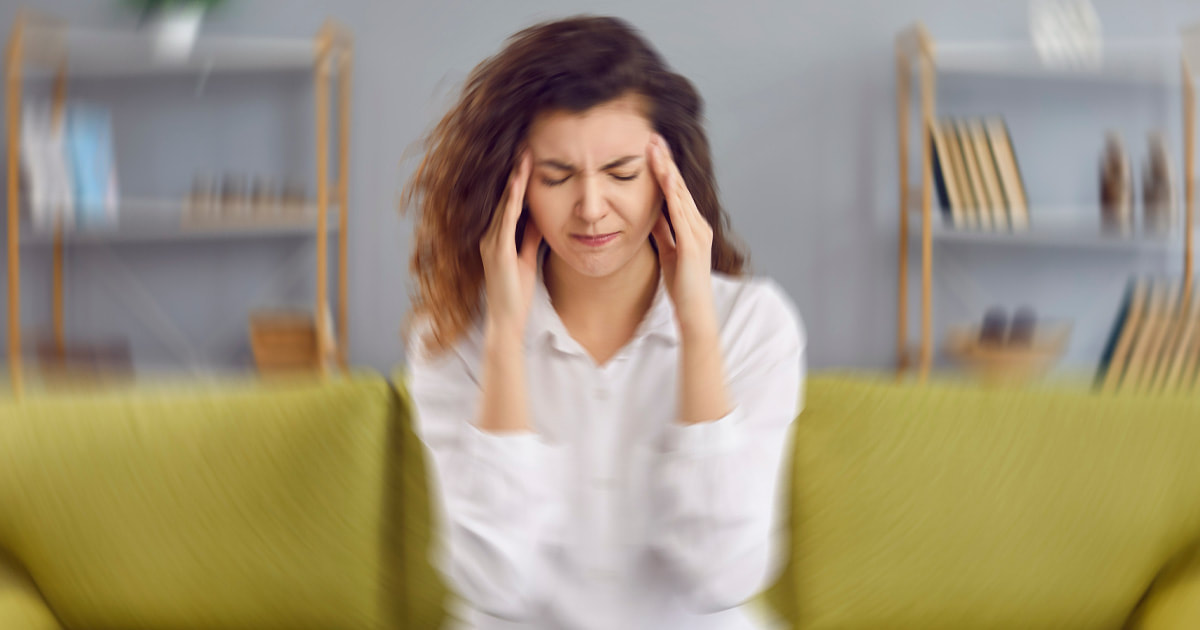
After a concussion, symptoms such as headaches, dizziness, and sensitivity to light or sound are often expected during the recovery process. However, some people notice a different set of symptoms emerging days or even weeks later. They may feel lightheaded when standing up, experience a racing heartbeat, struggle with unexplained fatigue, or find that routine activities suddenly feel more physically demanding.
Because these symptoms are not always associated with a typical concussion recovery, they can be confusing and easy to overlook. In some cases, they may be related to changes in the autonomic nervous system, including a condition known as Postural Orthostatic Tachycardia Syndrome (POTS). Understanding this connection can be an important step toward finding appropriate support and care.
What Is POTS?
Postural Orthostatic Tachycardia Syndrome (POTS) is a form of dysautonomia, a group of conditions that affect the autonomic nervous system. This system controls many of the body’s automatic functions, including heart rate, blood pressure, digestion, temperature regulation, and blood flow.
In people with POTS, the body may have difficulty adjusting to changes in position, particularly when moving from sitting or lying down to standing. As a result, the heart rate can increase significantly, while blood flow may not be regulated as efficiently. This can contribute to symptoms such as lightheadedness, fatigue, brain fog, dizziness, rapid heartbeat, and exercise intolerance.
Because many of these symptoms overlap with those experienced during concussion recovery, POTS after a concussion can sometimes go unrecognized. A thorough evaluation may include a standing test or tilt table test, which measures changes in heart rate and blood pressure to assess how the autonomic nervous system responds to positional changes.
Can POTS Be Caused by Trauma?
Research suggests that trauma, including concussions and other forms of traumatic brain injury, may contribute to the development of POTS in some individuals. While not everyone who experiences a concussion will develop autonomic dysfunction, changes in nervous system regulation can occur during the recovery process.
One study published in Activity and Exercise Intolerance After Concussion found that 11.4% of individuals diagnosed with POTS reported the onset of symptoms within three months of sustaining a concussion. Additional research has suggested that traumatic stress may affect autonomic balance, potentially disrupting the body’s ability to regulate heart rate, blood pressure, and circulation.
When the autonomic nervous system is not functioning efficiently, symptoms such as dizziness, lightheadedness, fatigue, exercise intolerance, and rapid heart rate may become more noticeable. Because these symptoms can overlap with common post-concussion complaints, the underlying cause may not always be immediately recognized.
Identifying autonomic dysfunction early can be an important part of the recovery process. Understanding the relationship between concussion and POTS may help guide a more targeted evaluation and support plan, particularly for individuals experiencing persistent or unexplained symptoms.
How Functional Neurology Can Help
Functional neurology can complement a conventional medical approach to managing POTS after a concussion. While traditional treatments often focus on managing symptoms such as rapid heart rate, blood pressure fluctuations, and dizziness, functional neurology evaluates how the brain and nervous system are functioning as a whole. By identifying areas of autonomic dysfunction, care can be tailored to support nervous system regulation and overall recovery.
Comprehensive Evaluation
The first step is understanding how the autonomic nervous system is functioning and whether neurological factors may be contributing to ongoing symptoms. A comprehensive assessment may include a review of medical history, symptom patterns, physical examination findings, and specialized testing.
Areas commonly evaluated include:
- Heart rate and blood pressure responses to positional changes
- Balance, coordination, and postural control
- Eye movements and visual tracking
- Sensory processing and neurological function
- Symptoms associated with autonomic dysfunction
This information helps create a clearer picture of how concussion-related changes may be affecting the body’s ability to regulate itself.
Individualized Treatment Plans
Because no two individuals experience POTS after a concussion in the same way, treatment plans are designed around each person’s unique needs and recovery goals. Depending on the findings, care may incorporate:
- Exercises that support autonomic nervous system function
- Balance and vestibular rehabilitation
- Visual-motor training and eye movement exercises
- Activities designed to promote neuroplasticity
- Strategies to improve tolerance to movement and activity
The goal is to support more efficient communication between the brain and body while addressing the specific challenges each individual faces.
Lifestyle and Dietary Recommendations
Recovery often involves more than rehabilitation exercises alone. Functional neurologists may recommend lifestyle adjustments that help support nervous system health and symptom management.
Recommendations may include:
- Maintaining proper hydration
- Supporting healthy sleep habits
- Gradually increasing activity levels
- Identifying factors that may worsen symptoms
- Nutrition strategies that support overall well-being
These adjustments can play an important role in helping the body better regulate heart rate, blood pressure, and energy levels throughout the recovery process.
Ongoing Support and Monitoring
Recovery from autonomic dysfunction can take time, particularly when symptoms develop following a concussion. Regular follow-up allows progress to be monitored and treatment plans to be adjusted as needed.
Ongoing care may help:
- Track symptom changes over time
- Identify improvements and remaining challenges
- Modify exercises and therapy recommendations
- Support long-term recovery goals
This personalized approach helps ensure that care continues to evolve alongside the individual’s recovery journey.
Success Stories: Functional Neurology in Action
Persistent symptoms after a concussion can affect many aspects of daily life, from work and school responsibilities to exercise, social activities, and overall quality of life. For some individuals, symptoms related to autonomic dysfunction and POTS may continue long after the initial injury, making recovery feel frustrating and uncertain.
Many patients who seek care at Neurohealth Services are looking for answers after experiencing ongoing symptoms that have not fully resolved on their own. Through personalized evaluations, targeted therapies, and ongoing support, they have been able to better understand their symptoms and make meaningful progress toward their recovery goals.
To learn more about the experiences of individuals who have undergone concussion-related care, we invite you to explore our patient testimonials and success stories.
Seeking Support for POTS After a Concussion
Experiencing symptoms such as lightheadedness, rapid heart rate, fatigue, or exercise intolerance after a concussion can be confusing, especially when they persist beyond the expected recovery period. In some cases, these symptoms may be related to POTS or other forms of autonomic dysfunction that affect how the body regulates blood flow, heart rate, and position changes.
Understanding the connection between concussion and POTS is an important step toward finding appropriate support. A thorough evaluation can help identify factors that may be contributing to ongoing symptoms and provide guidance on the most appropriate next steps.
At Neurohealth Services, our team takes a personalized approach to evaluating neurological and autonomic function. Through comprehensive assessments and individualized care plans, we help patients better understand their symptoms and explore strategies that support recovery and improved daily function.
To learn more or schedule a free 15-minute phone consultation, call (317) 848-6000 or contact our team today.
Frequently Asked Questions
Can a concussion cause POTS?
Research suggests that some individuals may develop POTS after a concussion or other forms of traumatic brain injury. While not everyone who experiences a concussion will develop autonomic dysfunction, changes in nervous system regulation may contribute to symptoms associated with POTS.
How long after a concussion can POTS symptoms appear?
POTS symptoms do not always appear immediately after an injury. Some individuals report developing symptoms days, weeks, or even months after a concussion. Because symptoms can emerge gradually, they may initially be mistaken for typical post-concussion recovery challenges.
What are the most common symptoms of POTS after a concussion?
Common symptoms may include lightheadedness when standing, rapid heart rate, fatigue, dizziness, brain fog, exercise intolerance, and difficulty concentrating. Symptoms can vary from person to person and may fluctuate throughout the day.
How is POTS diagnosed?
POTS is typically diagnosed through a clinical evaluation that may include a standing test or tilt table test. These assessments measure how heart rate and blood pressure respond to changes in position and can help determine whether autonomic dysfunction is present.
Can POTS symptoms improve over time?
Many individuals experience changes in their symptoms over time, particularly when they receive appropriate evaluation and support. Recovery timelines vary depending on the individual, the severity of symptoms, and any underlying factors contributing to autonomic dysfunction.
When should I seek an evaluation for persistent symptoms after a concussion?
It may be beneficial to seek an evaluation if symptoms such as dizziness, rapid heart rate, fatigue, brain fog, or exercise intolerance continue to interfere with daily activities. A comprehensive assessment can help identify potential contributing factors and guide the most appropriate next steps.
NEUROHEALTH SERVICES
Get back to feeling like yourself naturally. Natural treatment for neural and chronic pain.
CATEGORIES
Recent Articles
ExoMind™ : A New Era of Brain Health & Recovery
Introducing ExoMind™ at NeuroHealth Services: A New Era of Brain Health & Recovery By Dr. Brad Ralston,…
Understanding the Brain’s Cognitive Landscape: The Areas of the Brain and Their Processes
On the NeuroHealth Blog, we’ve explored a range of the common symptoms we treat at Neurohealth Services,…

How Does Functional Neurology Treat Vestibular Disorders?
Many of the conditions we treat at Neuroheatlh Services involve disorders of the inner ear or the…
Is Neurorehabilitation for you?
NeuroHealth provides neurorehabilitation for all ages, specializing in treatment for vertigo, migraines, post-concussion syndrome, and other neurological disorders. Contact our office today.