


Is Chronic Fight-or-Flight Mode Wrecking Your Health?
The fight-or-flight response is a natural survival mechanism that helps your body respond to danger. During stressful situations, stress hormones are released, your heart rate and blood pressure increase, and blood is redirected toward the muscles needed to react quickly. Once the threat has passed, a healthy nervous system shifts back into a calmer “rest and digest” state.
For some people, however, that switch never fully turns off. Chronic stress, neurological conditions, and underlying health issues can keep the body in a prolonged fight-or-flight state, making it difficult to recover physically and mentally. Over time, this ongoing stress response may contribute to fatigue, poor sleep, brain fog, anxiety, digestive issues, and other symptoms that affect your quality of life.
Key Takeaways
- Chronic fight-or-flight activation can affect both physical and neurological health.
- A healthy autonomic nervous system balances the sympathetic and parasympathetic nervous systems.
- Brain-based disorders may contribute to a prolonged stress response.
- Functional neurology evaluates underlying factors that may keep the nervous system in fight-or-flight mode.
- Personalized treatment may help restore nervous system balance and support long-term brain health.
What Is the Fight-or-Flight Response?
The fight-or-flight response is controlled by the autonomic nervous system, which regulates automatic functions such as breathing, heart rate, blood pressure, and digestion. It consists of two branches that work together to keep your body functioning properly.
- Sympathetic nervous system: Commonly known as the fight-or-flight system, it prepares your body to respond to stress or danger by increasing alertness, heart rate, and blood flow to the muscles.
- Parasympathetic nervous system: Often called the rest-and-digest system, it helps the body recover by supporting digestion, tissue repair, immune function, and other restorative processes.
Both systems are essential. During an emergency, the sympathetic nervous system helps keep you safe. Once the stressful event has passed, the parasympathetic nervous system restores balance so your body can recover and function normally again.
The problem is that modern stress is often ongoing. Work pressures, financial concerns, chronic illness, poor sleep, and other daily challenges can keep the sympathetic nervous system activated much longer than it was designed to be, making it difficult for the body to return to a healthy resting state.
Why Can You Get Stuck in Fight-or-Flight Mode?
Although everyday stress is a common trigger, it is not the only reason someone may remain in chronic fight-or-flight mode. In many cases, the nervous system becomes conditioned to remain in a heightened state of alertness, even after the original source of stress has resolved.
One reason for this is negative neuroplasticity, where repeated exposure to stress strengthens the brain’s stress pathways over time. As these pathways become more established, it may take less stimulation to trigger the same fight-or-flight response.
This pattern is commonly seen in individuals living with post-traumatic stress disorder (PTSD), but it can also develop after prolonged periods of overwork, sleep deprivation, chronic pain, or ongoing emotional stress. Over time, the brain essentially becomes “wired” to remain on high alert.
Physical health conditions may also contribute to chronic sympathetic activation. Potential causes include:
- Chronic infections or inflammation
- Blood sugar imbalances
- Hormonal deficiencies
- Autoimmune conditions
- Poor sleep quality
- Chronic emotional stress
- Neurological or brain-based disorders
In some individuals, brain dysfunction itself may make it more difficult to regulate the stress response. When areas of the brain responsible for balance, coordination, sensory processing, or emotional regulation are not functioning optimally, the nervous system may remain in a persistent state of sympathetic activation even when no immediate danger is present.
Understanding what is driving your chronic fight-or-flight response is an important first step toward restoring nervous system balance and improving overall health.
Signs You May Be Stuck in Chronic Fight-or-Flight Mode
When the sympathetic nervous system remains activated for long periods, it can affect nearly every part of the body. While occasional stress is a normal part of life, persistent symptoms may indicate that your nervous system is struggling to return to a balanced state.
Common signs of chronic fight-or-flight activation include:
- Difficulty falling or staying asleep
- Anxiety or feeling constantly on edge
- Brain fog or difficulty concentrating
- Memory problems
- Chronic fatigue or low energy
- Frequent headaches or migraines
- Blood sugar fluctuations despite healthy eating habits
- Sexual dysfunction
- Slow recovery after exercise or stressful events
- Getting sick more often
- Chronic muscle tension or pain
These symptoms often overlap with other health conditions, making it important to identify the underlying cause rather than simply managing individual symptoms.
How Chronic Stress Affects Your Brain and Body
Remaining in fight-or-flight mode for extended periods does more than increase stress levels. It can affect multiple body systems, including brain function, digestion, metabolism, immune health, and hormonal balance.
Long-term sympathetic activation has also been associated with increased inflammation and changes to the gut lining, sometimes referred to as intestinal permeability or “leaky gut.” When the gut barrier becomes compromised, unwanted substances may enter the bloodstream and contribute to ongoing inflammation throughout the body.
From a neurological perspective, chronic stress may reinforce unhealthy neural pathways through negative neuroplasticity. Over time, the brain becomes more efficient at producing a stress response, making it easier to remain in a cycle of heightened alertness even when no immediate danger exists.
For individuals already living with neurological conditions, this cycle can become even more difficult to break. Chronic stress may worsen symptoms such as brain fog, poor concentration, fatigue, dizziness, and cognitive difficulties while slowing the body’s natural recovery processes.
How Functional Neurology Can Help Restore Nervous System Balance
At NeuroHealth Services, functional neurology takes a comprehensive approach by evaluating how the brain and nervous system are functioning alongside other factors that influence overall health. Depending on your symptoms, clinicians may recommend a comprehensive neurological evaluation that includes advanced assessments to better understand the factors contributing to your stress response.
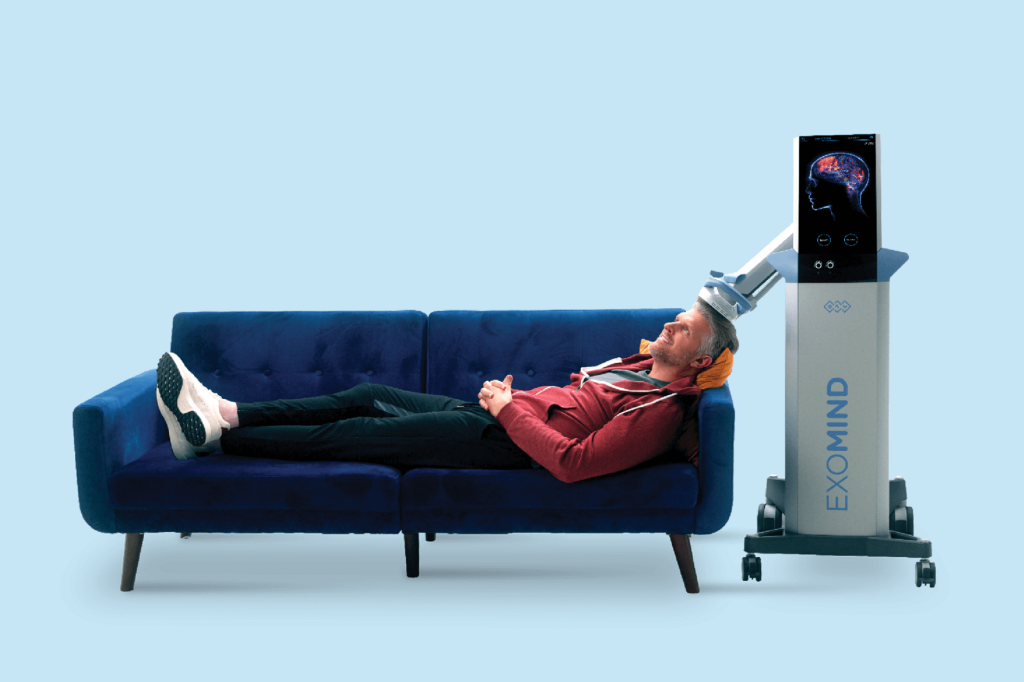
Treatment is always personalized and may include lifestyle and nutritional recommendations, neurological rehabilitation, vestibular therapy, or other therapies designed to improve nervous system regulation. For appropriate candidates, advanced therapies such as ExoMind® may also be considered. ExoMind® uses transcranial magnetic stimulation (TMS) technology to support brain networks involved in mood regulation, stress management, focus, and cognitive performance as part of a broader treatment plan.
Rather than simply addressing symptoms, functional neurology aims to identify and manage the underlying factors that may be keeping your body in chronic fight-or-flight mode, helping restore healthier nervous system function over time.
Finding Balance Again
Living in a constant state of stress can affect far more than your mental well-being. It may influence your energy levels, sleep, digestion, cognitive function, and overall quality of life. Understanding what is driving your chronic fight-or-flight response is an important first step toward improving your health.
If you continue experiencing symptoms that interfere with your daily activities, consider scheduling a comprehensive evaluation with NeuroHealth Services. Our team can help identify potential neurological and physiological contributors to your symptoms and develop a personalized treatment plan designed to support long-term nervous system health and recovery.
Frequently Asked Questions
What is the fight-or-flight response?
The fight-or-flight response is the body’s natural reaction to stress or danger. It activates the sympathetic nervous system, increasing heart rate, blood pressure, and alertness to help you respond to perceived threats.
What causes chronic fight-or-flight mode?
Persistent stress, trauma, sleep deprivation, chronic illness, hormonal imbalances, inflammation, and certain neurological conditions can all contribute to prolonged sympathetic nervous system activation.
What are the symptoms of chronic fight-or-flight?
Common symptoms include anxiety, poor sleep, brain fog, memory problems, fatigue, headaches, digestive issues, muscle tension, dizziness, and difficulty recovering from physical or emotional stress.
Can functional neurology help regulate the nervous system?
Functional neurology evaluates how the brain and nervous system are functioning and uses personalized rehabilitation strategies to support nervous system regulation and overall neurological health.
When should I seek professional evaluation?
If stress-related symptoms persist despite lifestyle changes or begin affecting your work, relationships, or daily activities, a comprehensive evaluation may help identify underlying factors contributing to your condition.
NEUROHEALTH SERVICES
Get back to feeling like yourself naturally. Natural treatment for neural and chronic pain.
CATEGORIES
Recent Articles
ExoMind™ : A New Era of Brain Health & Recovery
Introducing ExoMind™ at NeuroHealth Services: A New Era of Brain Health & Recovery By Dr. Brad Ralston,…

Understanding the Brain’s Cognitive Landscape: The Areas of the Brain and Their Processes
On the NeuroHealth Blog, we’ve explored a range of the common symptoms we treat at Neurohealth Services,…

How Does Functional Neurology Treat Vestibular Disorders?
Many of the conditions we treat at Neuroheatlh Services involve disorders of the inner ear or the…
Is Neurorehabilitation for you?
NeuroHealth provides neurorehabilitation for all ages, specializing in treatment for vertigo, migraines, post-concussion syndrome, and other neurological disorders. Contact our office today.