
How the Brain Changes with Age (and How We Treat It)
May is Older Americans Month, and as we take time to recognize the valuable contributions of older Americans past and present, we also want to share how our field of functional neurology can be helpful to those experiencing the neurological effects of aging.
As we age, our bodies are subject to changing hormone levels, deterioration of blood vessels, decreased circulation, and slower system responses. Here are some of the ways these changes affect the brain and what we do to treat them. As always, an evaluation by a healthcare professional is important to determine if you’re experiencing the expected and normal cognitive effects of aging or more serious signs of dementia.
Difficulty with Balance and Posture
Fear of falling may be one of the most common concerns among older adults. This fear may lead them to cut back on vital brain-stimulating activities and routines, like exercise and social interactions, which can further accelerate the aging process.
We diagnose and treat balance and posture problems in the following ways:
- Computerized Dynamic Posturography (CAPS®): A useful tool for detecting balance disorders, brain injuries, and other abnormalities.
- Video Nystagmography (VNG): A non-invasive test used to detect and treat vestibular and oculomotor abnormalities.
- Dynavision D2®: Originally designed for high-performance athletics training, it’s also proven to be an effective therapy for those struggling with dementia/Alzheimer’s, stroke rehab, ADD/ADHD, Parkinson’s, and other neurodegenerative health conditions.
Memory Loss
One of the most common changes associated with aging involves memory and multitasking. Older adults might be slower to recall a word or name they’re trying to remember. They may experience difficulty multitasking or disengaging from a second task to go back to the primary one (such as answering a phone call while cooking a meal).
Functional neurology treatments like the Vielight® and cold laser therapy that focus on increasing cellular energy can help restore the functions that aid memory and multitasking. Photobiomodulation is another non-invasive therapy that can stimulate cell growth, improve circulation, and reduce the symptoms that can cause sluggish brain functions.
Mood Control
The parasympathetic nervous system controls many bodily functions by way of the vagus nerve. One of these functions is the regulation of mood. As we age, this system’s responses slow down, which can lead to symptoms of depression and anxiety. Therapy designed to stimulate the vagus nerve can help reduce these symptoms.
Digestive Discomfort
It might not come as a surprise that digestive functions can also be thrown off balance by aging– we’ve often discussed the connection between gut and brain health. Luckily, vagus nerve stimulation has also been shown to decrease gastrointestinal inflammation, speed digestion, and improve satiety, or the cues that signal to you when you’re hungry and full.
The Good News
As the National Institute on Aging notes, there are also positive cognitive changes that come with aging, such as a more extensive vocabulary and depth of knowledge. And research shows that older adults can improve their brain function, so if you are experiencing neurological symptoms that a healthcare provider tells you are normal signs of aging, you might benefit from an evaluation with us.
Testimonials from our patients show the success they’ve had in regaining cognitive function after treatment from Neurohealth Services.
Call our office at (317) 848-6000 for a free consultation today.
NEUROHEALTH SERVICES
Get back to feeling like yourself naturally. Natural treatment for neural and chronic pain.
CATEGORIES
Recent Articles
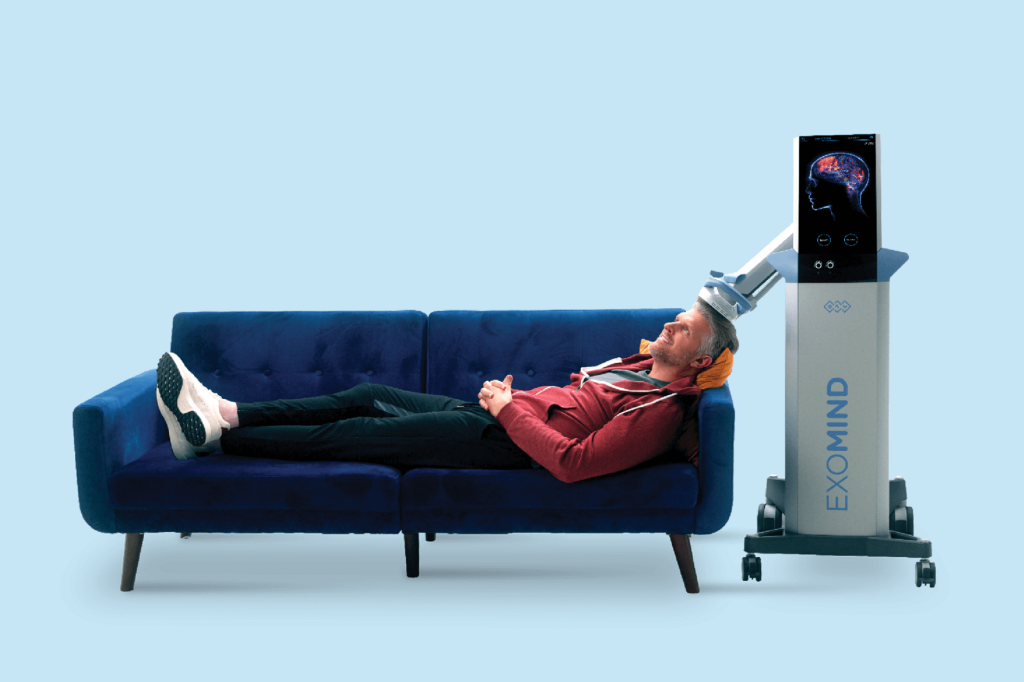
ExoMind™ : A New Era of Brain Health & Recovery
Introducing ExoMind™ at NeuroHealth Services: A New Era of Brain Health & Recovery By Dr. Brad Ralston,…
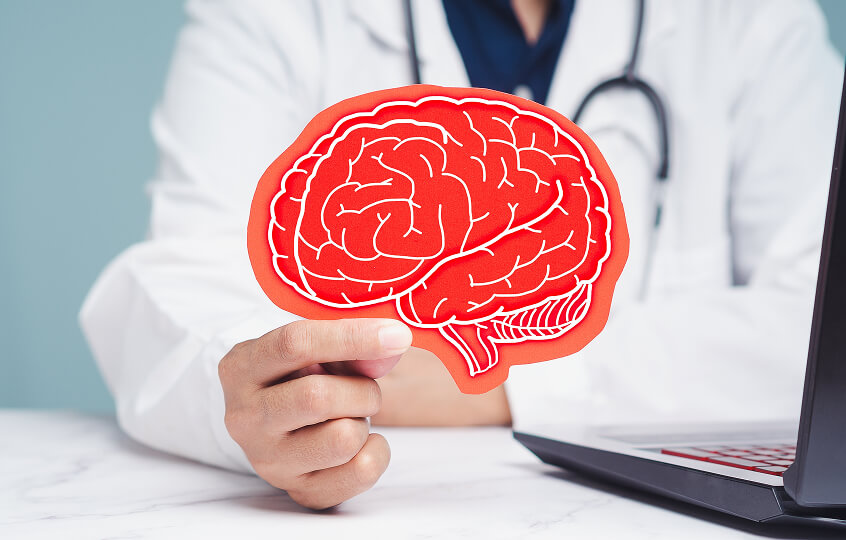
Understanding the Brain’s Cognitive Landscape: The Areas of the Brain and Their Processes
On the NeuroHealth Blog, we’ve explored a range of the common symptoms we treat at Neurohealth Services,…

How Does Functional Neurology Treat Vestibular Disorders?
Many of the conditions we treat at Neuroheatlh Services involve disorders of the inner ear or the…
Is Neurorehabilitation for you?
NeuroHealth provides neurorehabilitation for all ages, specializing in treatment for vertigo, migraines, post-concussion syndrome, and other neurological disorders. Contact our office today.