


How Gut Health May Support Concussion Recovery
When most people think about a concussion, they focus on symptoms like headaches, dizziness, or difficulty concentrating. However, changes in digestion are also common. This is because the brain and digestive system are closely connected.
Understanding the link between gut health and concussion recovery can help explain why some people experience symptoms like bloating, appetite changes, or food sensitivities after a head injury.
How the Gut-Brain Connection Affects Recovery
The brain and gut communicate through a network of nerves, hormones, and immune signals, often referred to as the gut-brain axis. After a concussion, this communication may become less efficient, which can affect both digestion and overall recovery.
Some individuals may notice:
- Changes in appetite
- Bloating or increased gas
- Heartburn or acid reflux
- Food sensitivities
- Irregular bowel movements
These symptoms can vary from person to person. In some cases, digestive changes may influence how nutrients are absorbed, which can play a role in supporting the body during healing.
The Role of Stress and Inflammation
A concussion can activate the body’s stress response, which may also impact digestive function. When this response is prolonged, it can contribute to inflammation and changes in the gut environment.
In some cases, this may be associated with intestinal permeability, sometimes referred to as “leaky gut.” While research is still ongoing, this may influence how the body responds to inflammation and recovery.
Because inflammation can affect both brain and body systems, supporting overall gut health may be one part of a broader approach to concussion recovery.
Nutrition and Gut Health After a Concussion
Diet is one area that may help support both gut function and recovery. While no specific diet can treat a concussion, certain food choices may help maintain balance in the digestive system and support overall wellness.
Foods to Limit
Some foods are commonly associated with increased inflammation and may be worth limiting:
- Refined carbohydrates such as white bread and pastries
- Deep-fried foods like French fries
- Sugar-sweetened beverages such as soda
- Processed meats like hot dogs and sausage
- Foods high in trans fats such as margarine and shortening
Foods That May Support Gut and Brain Health
Focusing on whole, nutrient-dense foods can help support both digestive and overall health:
- Healthy fats: olive oil, avocado
- Leafy greens: spinach, kale
- Nuts and seeds: almonds, walnuts, flax seeds, pumpkin seeds
- Omega-3 rich fish: salmon, mackerel, tuna
- Fruits: berries, oranges, cherries
These foods provide nutrients that support the body during recovery and may help maintain a balanced inflammatory response.
Simple Ways to Support Gut Health During Recovery
In addition to dietary choices, small daily habits may help support gut function during recovery:
- Staying hydrated throughout the day
- Eating regular, balanced meals
- Managing stress through rest or light activity
- Getting adequate sleep
- Gradually returning to normal routines as tolerated
These steps may help support overall wellness while the body recovers.
A Whole-Body Approach to Concussion Recovery
Because concussion symptoms can involve multiple systems, recovery often benefits from a comprehensive approach. In addition to nutrition, this may include evaluating how the brain and body are functioning together.
In some cases, supportive therapies such as neuromodulation may be considered as part of a broader care plan. For example, approaches like Exomind may be used to help regulate brain activity when clinically appropriate.
Each individual’s recovery experience is different, and care is typically tailored based on specific symptoms and needs.
When Gut-Related Symptoms May Need Closer Attention
While some digestive changes may improve over time, it may be helpful to seek further evaluation if you notice:
- Ongoing bloating, discomfort, or irregular digestion
- Persistent food sensitivities
- Changes in appetite that do not improve
- Digestive symptoms affecting your ability to eat or maintain energy
A structured evaluation can help determine what may be contributing to these symptoms and guide appropriate next steps.
When to Seek Additional Support
If you are experiencing ongoing digestive changes, cognitive symptoms, or other concerns after a concussion, a professional evaluation may help clarify what is contributing to these symptoms and what next steps may be appropriate.
To learn more, you can download a post-concussion fact sheet here.You may also call (317) 848-6000 to schedule a free 15-minute phone consultation.
NEUROHEALTH SERVICES
Get back to feeling like yourself naturally. Natural treatment for neural and chronic pain.
CATEGORIES
Recent Articles
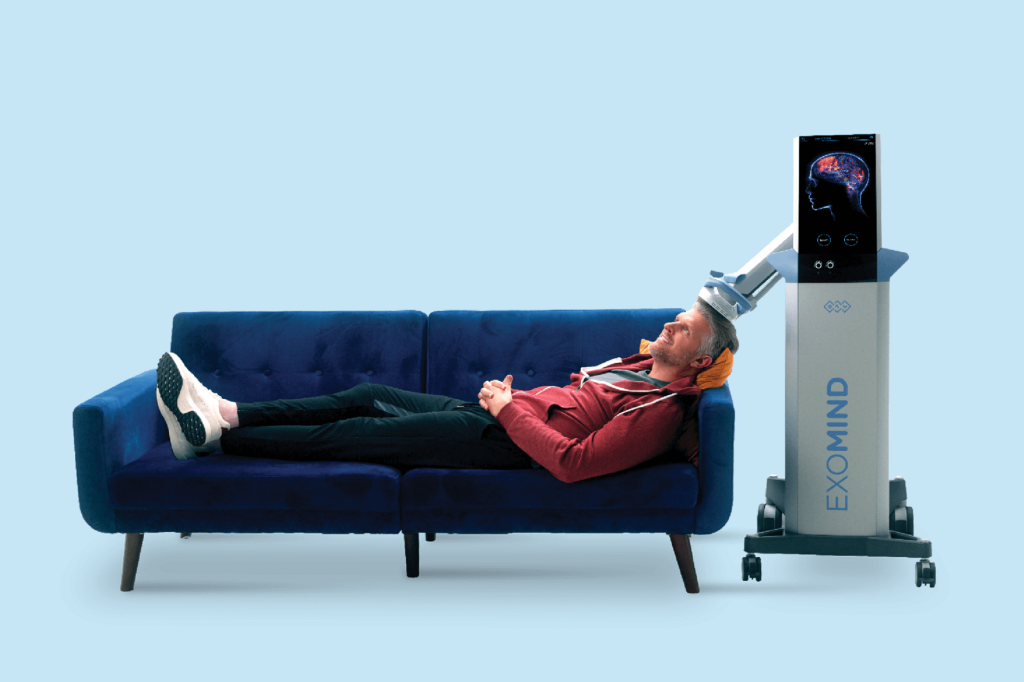
ExoMind™ : A New Era of Brain Health & Recovery
Introducing ExoMind™ at NeuroHealth Services: A New Era of Brain Health & Recovery By Dr. Brad Ralston,…
Understanding the Brain’s Cognitive Landscape: The Areas of the Brain and Their Processes
On the NeuroHealth Blog, we’ve explored a range of the common symptoms we treat at Neurohealth Services,…

How Does Functional Neurology Treat Vestibular Disorders?
Many of the conditions we treat at Neuroheatlh Services involve disorders of the inner ear or the…
Is Neurorehabilitation for you?
NeuroHealth provides neurorehabilitation for all ages, specializing in treatment for vertigo, migraines, post-concussion syndrome, and other neurological disorders. Contact our office today.