
Functional Neurology for Anxiety, Depression, and Mood Changes Linked to Physical Conditions
When a patient experiences an injury, infection, or underlying condition that affects neurological function, the resulting emotional and cognitive symptoms can be just as disruptive as the physical changes themselves. Individuals may notice difficulty concentrating, increased irritability, low mood, or heightened anxiety, even when standard imaging or tests appear normal.
Because these symptoms do not always have a clear structural cause, they are sometimes difficult to explain or address through a single approach. Functional neurology for anxiety and depression focuses on how the brain and body are functioning together, using a personalized, systems-based evaluation to better understand these changes and guide care. In some cases, non-invasive neuromodulation therapies such as Exomind may be considered as part of a broader, individualized treatment plan.
Below are examples of neurological and systemic conditions that may be associated with emotional symptoms, along with how functional neurology may support recovery through targeted, individualized strategies.
Traumatic Brain Injury (TBI)
Traumatic brain injury (TBI) can occur after a single event, such as a fall or impact, or develop over time with repeated head injuries. In addition to physical symptoms, individuals may experience changes in mood, behavior, and cognitive function.
Common emotional and cognitive changes may include:
- Anxiety or increased stress sensitivity
- Low mood or depression
- Irritability or mood swings
- Difficulty with emotional regulation
- Changes in social interaction or responsiveness
These symptoms may not always be fully explained by imaging or standard neurological tests, particularly when disruptions involve how different brain networks communicate. Functional neurology for anxiety and depression focuses on identifying these functional changes and understanding how they relate to both cognitive and emotional symptoms.
Support strategies may include:
- Targeted cognitive exercises to improve attention and processing
- Vestibular or sensory-based therapies to support brain-body coordination
- Lifestyle modifications to promote overall neurological function
Concussion / Post-Concussion Syndrome
A concussion is a form of mild traumatic brain injury that can affect how the brain processes information, regulates emotions, and communicates with the body. While some individuals recover within a short period, others may continue to experience symptoms beyond the expected recovery window, often referred to as post-concussion syndrome.
Emotional and cognitive symptoms may include:
- Anxiety or increased sensitivity to stress
- Mood swings or irritability
- Changes in personality or emotional response
- Difficulty concentrating or maintaining focus
These symptoms may persist even when imaging appears normal, particularly when there are disruptions in how different brain systems—such as vestibular, visual, and cognitive networks—work together. Functional neurology for anxiety and depression focuses on evaluating these systems to better understand the source of ongoing symptoms.
Support strategies may include:
- Vestibular rehabilitation to improve balance and spatial awareness
- Vision therapy to support eye coordination and processing
- Neurofeedback and cognitive training to regulate attention and brain activity
Additional therapies, such as photobiomodulation, may be considered to support neural activity and circulation. In some cases, non-invasive neuromodulation approaches like Exomind may be included as part of a personalized treatment plan when clinically appropriate.
ADHD (Attention-Deficit/Hyperactivity Disorder)
Attention-deficit/hyperactivity disorder (ADHD) is a neurodevelopmental condition that affects attention, impulse control, and activity levels. While commonly associated with inattention and hyperactivity, some individuals may also experience challenges with coordination, balance, and overall regulation.
Common symptoms may include:
- Difficulty sustaining attention or completing tasks
- Impulsivity or challenges with self-regulation
- Restlessness or increased activity levels
- Variability in coordination or motor control
Because ADHD can involve multiple brain networks related to attention, executive function, and sensory processing, symptoms may present differently from one individual to another. Functional neurology for anxiety and depression may also consider overlapping symptoms, particularly when emotional regulation or stress sensitivity is affected.
Support strategies may include:
- Neurofeedback and cognitive training to support attention and focus
- Sensory integration techniques to improve processing and regulation
- Lifestyle and behavioral strategies to support daily function
When clinically appropriate, additional factors such as sleep, nutrition, or hormonal balance may also be evaluated, as they can influence cognitive performance.
Long Haul COVID-19 Syndrome
Some individuals continue to experience cognitive and emotional symptoms after recovering from a viral illness such as COVID-19, influenza, or other infections. These symptoms are often described as part of long-haul or post-viral syndromes and may be associated with ongoing inflammation or changes in how the brain and body regulate function.
Common symptoms may include:
- Anxiety or increased stress sensitivity
- Memory difficulties or “brain fog”
- Mental fatigue or reduced processing speed
- Difficulty concentrating or sustaining attention
These symptoms may persist even after other physical signs of illness have resolved. Because post-viral effects can influence multiple systems—including cognitive, vestibular, and autonomic function—symptoms may vary in intensity and duration. Functional neurology for anxiety and depression focuses on evaluating how these systems are functioning together to better understand ongoing cognitive and emotional changes.
Support strategies may include:
- Oculomotor rehabilitation to support eye movement and visual processing
- Vestibular therapy to improve balance and spatial awareness
- Breathing and autonomic regulation techniques to support nervous system balance
Stroke
A stroke can affect how the brain processes information, regulates emotions, and coordinates movement. In addition to physical changes, individuals may experience cognitive and emotional symptoms that impact daily functioning and overall quality of life.
Common symptoms may include:
- Irritability or changes in mood
- Memory difficulties or forgetfulness
- Reduced attention or mental clarity
- Confusion or slowed thinking
These changes can vary depending on the area of the brain affected and the extent of injury. In some cases, emotional and cognitive symptoms may persist even as physical recovery progresses. Functional neurology for anxiety and depression focuses on understanding how different brain networks are functioning after a stroke and how they relate to both cognitive and emotional changes.
Support strategies may include:
- Rehabilitation techniques to support recovery of cognitive and motor function
- Targeted exercises to improve coordination, balance, and processing
- Cognitive training to support attention, memory, and executive function
A Functional Neurology Approach to Care
Functional neurology uses a patient-centered, multidisciplinary approach to evaluate how the brain and body are functioning together, particularly when cognitive and emotional symptoms may not have a single identifiable cause. Care focuses on identifying individual patterns and guiding a structured plan, which may include neurofeedback, vestibular rehabilitation, vision therapy, lifestyle and nutritional strategies, and targeted exercises to support overall neurological function. In some cases, non-invasive neuromodulation approaches such as Exomind may be considered when clinically appropriate.
Because each individual’s experience is unique, working with a qualified healthcare provider trained in functional neurology can help clarify the most appropriate next steps. If you are experiencing ongoing cognitive or emotional symptoms, a structured consultation can help you better understand your options and determine a suitable path forward. To learn more, you may contact Neurohealth Services at (317) 848-6000 to schedule a consultation.
NEUROHEALTH SERVICES
Get back to feeling like yourself naturally. Natural treatment for neural and chronic pain.
CATEGORIES
Recent Articles
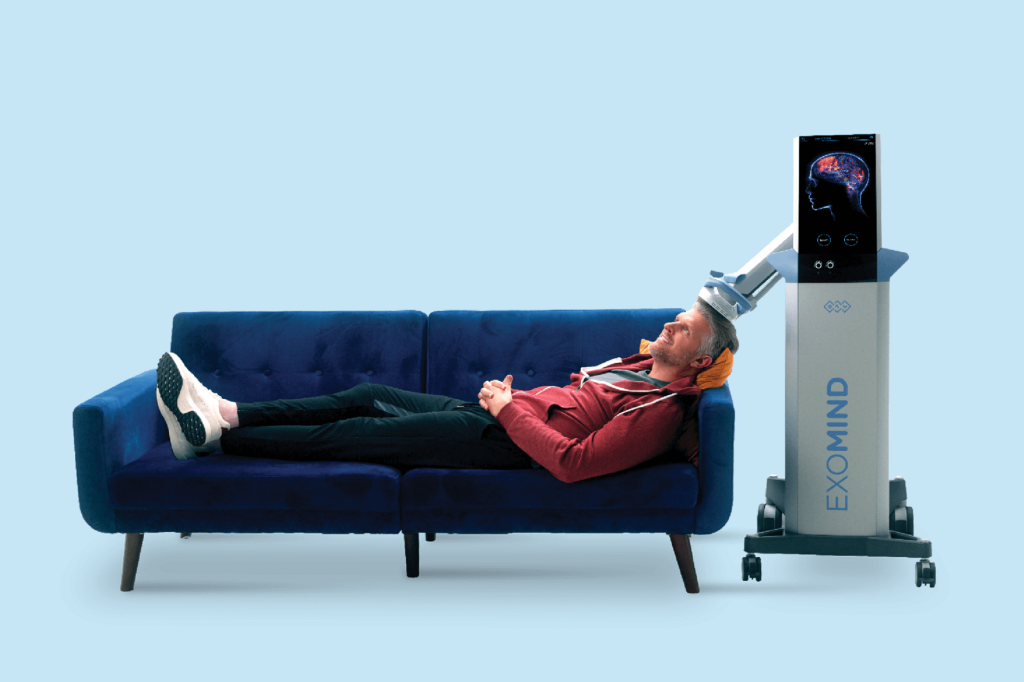
ExoMind™ : A New Era of Brain Health & Recovery
Introducing ExoMind™ at NeuroHealth Services: A New Era of Brain Health & Recovery By Dr. Brad Ralston,…
Understanding the Brain’s Cognitive Landscape: The Areas of the Brain and Their Processes
On the NeuroHealth Blog, we’ve explored a range of the common symptoms we treat at Neurohealth Services,…

How Does Functional Neurology Treat Vestibular Disorders?
Many of the conditions we treat at Neuroheatlh Services involve disorders of the inner ear or the…
Is Neurorehabilitation for you?
NeuroHealth provides neurorehabilitation for all ages, specializing in treatment for vertigo, migraines, post-concussion syndrome, and other neurological disorders. Contact our office today.