


Dysautonomia (POTS) Awareness: Hope for Those Struggling with Autonomic Dysfunction
Dysautonomia (POTS) is a disorder of the autonomic nervous system, and today we’re taking a look at the symptoms our patients most often report as well as some of the treatment options.
Postural Orthostatic Tachycardia Syndrome (POTS) is one form of dysautonomia which causes decreased blood flow to the brain.
Do I Have POTS Syndrome? (Quiz)
- Does your heart race upon standing?
- Do you have an unusually high heart rate during light activity such as walking or cleaning?
- Do you struggle with Irritable Bowel Syndrome (IBS)?
- Do you get a headrush, dizziness, or see “stars” upon standing or bending over?
- Do you experience heat intolerance, fainting, or feel nauseated when outside in the sun or in a hot bath or shower?
If you answered ‘yes’ to these questions, and the symptoms are slowing you down or affecting your daily routines, an evaluation would help determine the best course of action.
Because other conditions can mimic the symptoms of POTS, it’s important to get an accurate diagnosis to rule out other causes and ensure appropriate treatment. At Neurohealth we perform detailed neurological examinations along with using high-tech diagnostic equipment to isolate areas of the brain that are under-functioning. With POTS, dysregulation of the Autonomic Nervous System is caused by top-down brain control systems not regulating output. Our examination with undercover neurologic and metabolic factors causing POTS.
POTS Treatment
Treatment of dysautonomia is focussing on activating networks in the brain that are dysregulated and thus causing faulty autonomic regulation. Typically areas in the vestibular system and brainstem are the underlying areas causing this problem. Our treatment combines the use of physical, vestibular, and oculomotor treatments along with using a tilt table to re-educate your autonomic responses. Treatment slowly reteaches your body how to stand up without big heart rate fluctuations.
Exercise
Dysautonomia International offers these gentle reclined, chair, and pool exercises for those who struggle with conventional exercise due to autonomic disorder. These exercises can include:
- Reclined hip and leg raises
- Reclined gentle yoga
- Seated bicep curls, shoulder extensions, and arm rotations
- Zumba Gold seated dance moves
- Standing pool exercises
- Basic aqua walking
Make sure you talk to a doctor before starting any new exercise routine and ask our team about a customized routine for your specific ability and condition.
If you experience dizziness, headaches, fainting, fatigue, shortness of breath, or nausea, call Neurohealth Services at (317) 848-6000 for an evaluation today.
NEAUROHEALTH SERVICES
Get back to feeling like yourself naturally. Natural treatment for neural and chronic pain.
CATEGORIES
Recent Articles
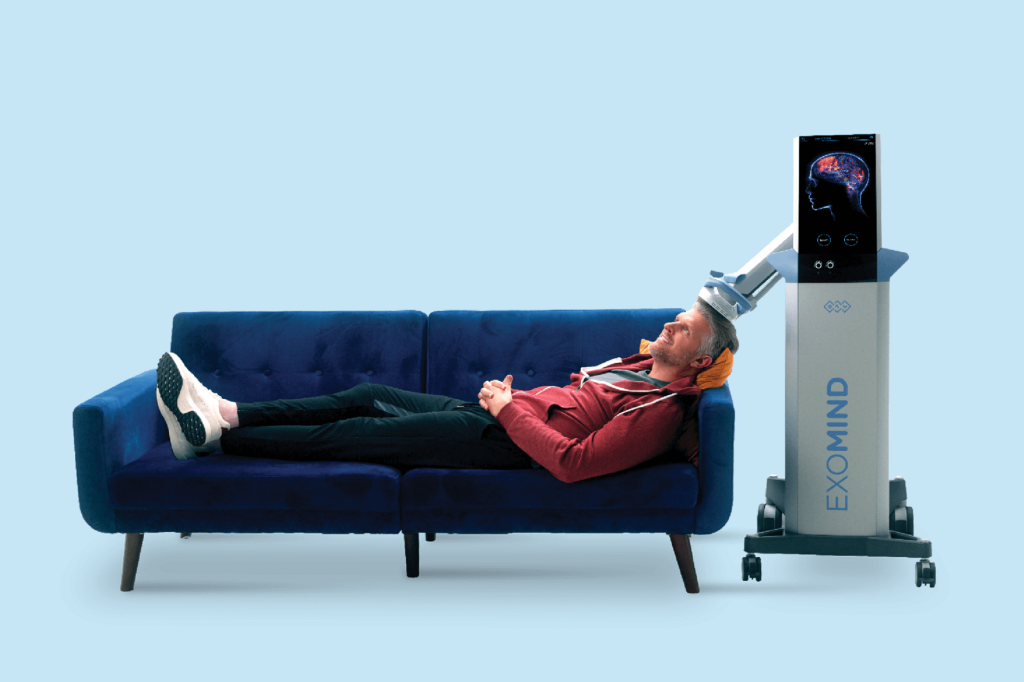
ExoMind™ : A New Era of Brain Health & Recovery
Introducing ExoMind™ at NeuroHealth Services: A New Era of Brain Health & Recovery By Dr. Brad Ralston,…
Understanding the Brain’s Cognitive Landscape: The Areas of the Brain and Their Processes
On the NeuroHealth Blog, we’ve explored a range of the common symptoms we treat at Neurohealth Services,…

How Does Functional Neurology Treat Vestibular Disorders?
Many of the conditions we treat at Neuroheatlh Services involve disorders of the inner ear or the…
Is Neurorehabilitation for you?
NeuroHealth provides neurorehabilitation for all ages, specializing in treatment for vertigo, migraines, post-concussion syndrome, and other neurological disorders. Contact our office today.