


Digital Dementia and ADD: How Smartphones Rewire the Brain
Many people feel shame about their smartphone use, but excessive screen time is not simply a failure of willpower. Digital platforms are designed to capture attention and stimulate reward pathways in the brain, making overuse common. Terms like “digital dementia” and “digital ADD” are informal ways people describe attention and memory concerns linked to heavy technology use. As awareness grows, more individuals are seeking structured digital addiction treatment strategies to regain focus and cognitive balance. In some cases, non-invasive neuromodulation therapies such as Exomind Therapy may be included as part of a broader cognitive support plan.
Like many transformative inventions throughout history, the internet, smartphones, video games, and social media have reshaped daily life in ways few anticipated. Emerging research suggests that frequent exposure to these technologies may influence attention and cognitive performance, and one study found that even the mere presence of a smartphone, despite being turned off, was associated with reduced available cognitive capacity.
How Digital Platforms Influence the Brain’s Reward and Habit Systems
The constant novelty of digital technology makes it highly appealing to a stimulus-seeking brain. Beyond convenience, many platforms are intentionally designed to increase engagement for commercial purposes. Emotions such as boredom, loneliness, frustration, and indecision are natural human experiences, yet they also create moments of vulnerability to digital distraction. Behavioral design strategies, informed by psychology and neuroscience research, are often used to reinforce reward-seeking patterns and encourage repeated interaction. Over time, this reinforcement can strengthen habit loops that make technology use feel automatic rather than intentional.
Classic behavioral research has demonstrated how powerful reward pathways in the brain can be once strongly activated. While digital engagement is not equivalent to substance addiction, similar reinforcement mechanisms involving dopamine and habit formation may be involved in repetitive technology use. Difficulty disengaging from devices is therefore not simply a matter of laziness or weak willpower. Modern digital environments are carefully optimized to sustain attention, and repeated exposure can condition the brain toward short-term rewards over sustained focus.

How Attention Disruption May Affect Long-Term Brain Function
Neuroplasticity refers to the brain’s ability to form and strengthen communication pathways. This capacity allows us to learn new skills and convert repeated behaviors into automatic habits. When digital engagement becomes constant, frequent rewards such as notifications, social validation, and autoplay content can repeatedly activate attention and reward circuits. Over time, this pattern may reinforce shorter attention cycles and rapid task switching rather than sustained concentration. Instead of labeling this as permanent damage, it is more accurate to understand it as adaptive plasticity, meaning the brain responds to repeated input. With structured digital addiction treatment strategies and intentional cognitive training, these patterns can also be reshaped toward healthier focus and executive control.
Distraction is not the only concern associated with heavy technology use. Smartphones now store phone numbers, directions, reminders, and schedules for us, reducing the need to actively recall information. While this convenience is beneficial, relying exclusively on devices for memory tasks may decrease how often certain cognitive functions are exercised. Like any skill, memory performance can be influenced by use patterns, making intentional mental engagement an important part of long-term brain health.
Research does not support the idea that technology use simply “overdevelops” one side of the brain while neglecting the other. Brain function is highly integrated, and attention, memory, and mood regulation involve multiple interconnected networks. However, excessive multitasking and rapid digital stimulation may influence how attention networks operate over time, potentially contributing to reduced sustained focus and increased mental fatigue. Emerging research continues to explore how prolonged screen exposure may interact with mood and cognitive performance, particularly in individuals already vulnerable to attention or stress-related concerns.
Solutions for Technology-Driven Attention Challenges
Entire generations are growing up with constant digital access, and researchers continue to study how prolonged screen exposure may influence developing brains. While some findings suggest that excessive technology use can affect attention patterns and sleep quality in children and adolescents, the long-term effects depend on duration, content, and individual vulnerability. The encouraging news is that awareness around responsible technology design and healthy screen habits is increasing. Parents, educators, and healthcare professionals are placing greater emphasis on digital balance, cognitive resilience, and early intervention strategies to support healthy brain development.
As awareness grows, more technology leaders and researchers have begun discussing the ethical implications of highly engaging digital features. History has shown that society often takes time to fully understand the long-term impact of widely adopted innovations. When it comes to managing everyday stress, boredom, or emotional discomfort, the brain naturally gravitates toward quick and accessible forms of relief. Digital platforms provide immediate stimulation and distraction, which can reinforce habitual use patterns if not approached with intention and balance.
Functional Neurology Support for Digital Addiction Treatment
Completely eliminating technology is unrealistic for most people. A more sustainable approach focuses on restoring balance within the brain systems that regulate attention, impulse control, and cognitive flexibility. Functional neurology evaluates how these neural networks are functioning and provides structured strategies to support concentration, executive function, and memory performance.
For individuals experiencing persistent attention challenges related to technology overuse, digital addiction treatment may include cognitive training, lifestyle modifications, and non-invasive neuromodulation therapies such as Exomind. A comprehensive neurological assessment helps identify the specific factors contributing to cognitive strain and guides the development of a personalized care plan.
If screen use is interfering with focus, productivity, or emotional regulation, it may be time to take a structured and clinically guided approach. Schedule a comprehensive neurological consultation to evaluate your cognitive function and explore personalized digital addiction treatment options designed to support long-term brain health.
NEUROHEALTH SERVICES
Get back to feeling like yourself naturally. Natural treatment for neural and chronic pain.
CATEGORIES
Recent Articles
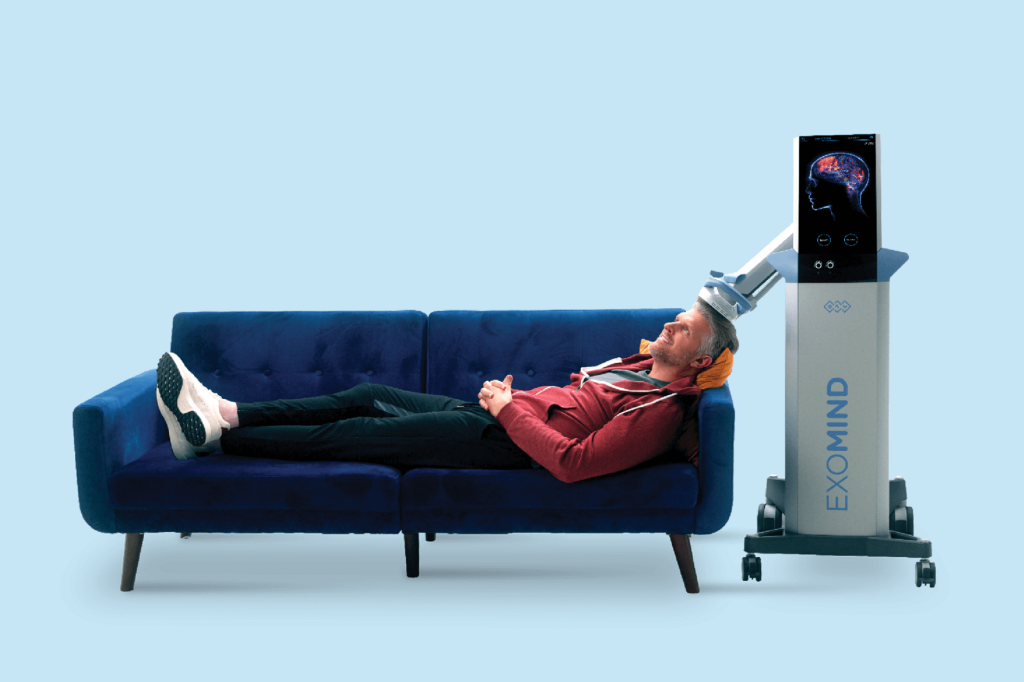
ExoMind™ : A New Era of Brain Health & Recovery
Introducing ExoMind™ at NeuroHealth Services: A New Era of Brain Health & Recovery By Dr. Brad Ralston,…

Understanding the Brain’s Cognitive Landscape: The Areas of the Brain and Their Processes
On the NeuroHealth Blog, we’ve explored a range of the common symptoms we treat at Neurohealth Services,…

How Does Functional Neurology Treat Vestibular Disorders?
Many of the conditions we treat at Neuroheatlh Services involve disorders of the inner ear or the…
Is Neurorehabilitation for you?
NeuroHealth provides neurorehabilitation for all ages, specializing in treatment for vertigo, migraines, post-concussion syndrome, and other neurological disorders. Contact our office today.