


Common Concussion Myths vs. Facts: Understanding Symptoms and Recovery
Many people assume they know what a concussion looks and feels like, but common concussion myths can sometimes create confusion about symptoms, treatment, and recovery. At Neurohealth Services, we often see individuals with Post-Concussion Syndrome (PCS) weeks or even months after a head injury who are still struggling with persistent symptoms and searching for answers.
Misconceptions about concussion symptoms and concussion recovery may prevent people from recognizing when they need additional evaluation or support. Understanding the facts behind these common concussion myths can help individuals make informed decisions about their health and take appropriate steps toward recovery.
Top 5 Myths About Concussion
Below, we explore five common concussion myths and the facts that may help you better understand post-concussion symptoms and the recovery process.
Myth #1: A Concussion Requires Loss of Consciousness
Fact: A person can sustain a concussion without ever losing consciousness.
One of the most common concussion myths is that a person must be knocked out for a concussion to occur. In reality, most concussions do not involve a loss of consciousness. According to the University of Pittsburgh Medical Center, only about 10% of concussions result in someone losing consciousness.
Because of this misconception, some people may dismiss their injury or delay seeking care, assuming that a concussion is not possible if they remained awake. However, concussion symptoms can develop even after what appears to be a mild head injury.
Common signs of a concussion may include:
- Headaches
- Dizziness or balance problems
- Brain fog or difficulty concentrating
- Irritability or mood changes
- Sensitivity to light or noise
- Vision problems
- Fatigue
If you experience persistent or worsening symptoms after a head injury, it may be beneficial to seek a professional evaluation. Early recognition of concussion symptoms can play an important role in supporting recovery and identifying potential post-concussion complications.
Myth #2: A Concussion Requires a Blow to the Head
Fact: A concussion can occur even if the head is never directly impacted.
Many people assume that concussions only happen when someone is struck on the head. While a direct blow can certainly cause a concussion, the injury itself results from the brain moving rapidly inside the skull. This sudden movement can disrupt normal brain function, leading to a variety of concussion symptoms.
A concussion may develop from:
- A direct impact to the head
- A sudden jolt or shaking motion
- Whiplash injuries from a car accident
- Falls or sports-related collisions
- Any event that causes the brain to rapidly accelerate or decelerate
For example, the force generated during a rear-end collision can cause the head and neck to snap forward and backward quickly, creating enough movement within the skull to result in a concussion even without a direct head strike.
Because symptoms are not always immediate, it is important to monitor for signs of a concussion after any significant impact or sudden movement. Headaches, dizziness, brain fog, balance problems, fatigue, and difficulty concentrating may indicate that a concussion has occurred and should not be ignored.
Myth #3: A Concussion Can Be Prevented by Wearing a Helmet
Fact: Helmets help protect against serious head injuries, but they cannot completely prevent concussions.
Because a concussion occurs when the brain moves rapidly inside the skull, wearing a helmet does not guarantee that a concussion will not happen. Even with protective equipment, the forces generated during a fall, collision, or sudden impact can still cause the brain to shift, potentially resulting in a concussion.
According to the Centers for Disease Control and Prevention (CDC), helmets are designed to reduce the risk of severe head injuries, including skull fractures and traumatic brain injuries. However, no helmet is specifically designed to prevent concussions in every situation.
Myth #4: You Must Wake a Person Every Hour After a Concussion
Fact: In many cases, rest and sleep are important parts of concussion recovery.
This concussion myth stems from the outdated belief that falling asleep after a concussion could cause someone to slip into a coma. While healthcare providers may recommend monitoring a person immediately following a head injury, routinely waking someone every hour is not always necessary.
Before going to sleep, it is important to assess for concerning symptoms and follow any instructions provided by a healthcare professional. Depending on the severity of the injury and the individual’s symptoms, a healthcare provider may recommend observation, additional testing, or overnight monitoring in a medical setting.
Seek immediate medical attention if a person develops symptoms such as:
- Repeated vomiting
- Increasing confusion or disorientation
- Difficulty waking up
- Slurred speech
- Seizures
- Weakness or numbness
- Worsening headaches
Sleep plays an important role in the brain’s recovery process, and many individuals recovering from a concussion benefit from adequate rest. If you have questions about what activities are safe after a head injury, consult your healthcare provider for guidance based on your specific situation.
Myth #5: Concussion Symptoms Are Apparent Immediately Following an Injury
Fact: Concussion symptoms can develop hours or even days after an injury.
Many people expect concussion symptoms to appear immediately after a head injury. While some individuals notice symptoms right away, others may not experience noticeable changes until hours or days later. This delayed onset can make it difficult to recognize that a concussion has occurred, especially when the injury initially seems minor.
As the brain responds to the injury, symptoms may gradually emerge or become more noticeable over time. In some cases, individuals may feel relatively normal at first, only to develop symptoms as they return to work, school, exercise, or other daily activities.
Delayed concussion symptoms may include:
- Headaches
- Dizziness or balance problems
- Fatigue
- Brain fog or difficulty concentrating
- Memory challenges
- Sensitivity to light or noise
- Mood changes or irritability
- Sleep disturbances
Because symptoms can evolve throughout the recovery process, it is important to monitor any changes following a head injury. Seeking an evaluation may be beneficial if symptoms persist, worsen, or begin interfering with daily activities. Early recognition can help support concussion recovery and reduce the risk of ongoing post-concussion symptoms.
Exploring Additional Support Options for Persistent Concussion Symptoms
For some individuals, concussion symptoms improve with time and appropriate care. Others may continue to experience challenges such as brain fog, difficulty concentrating, mental fatigue, mood changes, sleep disturbances, or other symptoms associated with Post-Concussion Syndrome (PCS).
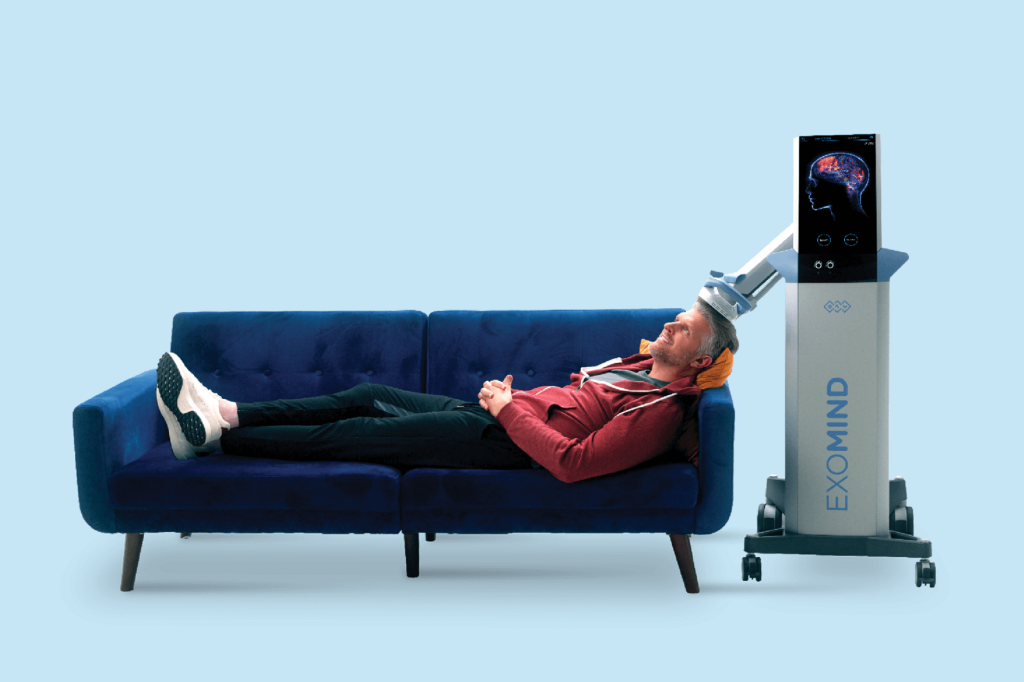
As part of a personalized treatment approach, some patients may benefit from therapies designed to support brain function and neurological recovery. One option that may be incorporated into care is Exomind, a non-invasive brain stimulation technology that uses Transcranial Magnetic Stimulation (TMS) to target specific areas of the brain.
Exomind is designed to support brain networks involved in:
- Focus and concentration
- Mental clarity
- Mood regulation
- Stress management
- Cognitive performance
Because concussion recovery can affect individuals differently, Exomind is typically considered as part of a broader treatment plan based on a comprehensive neurological evaluation. The goal is to better understand each patient’s unique challenges and identify supportive therapies that may help improve daily function and quality of life.
When to Seek Additional Support After a Concussion
Concussion symptoms do not always resolve on the same timeline for everyone. If you continue to experience headaches, dizziness, brain fog, fatigue, balance problems, difficulty concentrating, or other symptoms that interfere with your daily activities, it may be beneficial to seek a professional evaluation. Persistent symptoms can sometimes indicate underlying neurological challenges that require a more individualized approach to care.
Understanding the facts about concussion recovery is an important first step toward finding the support you need. To learn more about Post-Concussion Syndrome (PCS), download our fact sheet for additional information and resources.
If you are ready to explore your treatment options, call (317) 848-6000 or contact Neurohealth Services to schedule an appointment. Our team can help evaluate your symptoms, discuss potential next steps, and develop a personalized plan designed to support your recovery goals.
Frequently Asked Questions
Can you have a concussion and feel fine at first?
Yes. Some concussion symptoms may not appear until hours or even days after an injury. This is why it is important to monitor for changes in symptoms following a head injury, even if you initially feel well.
Can a concussion occur without hitting your head?
Yes. A concussion can result from any sudden movement that causes the brain to move rapidly inside the skull. Whiplash injuries, falls, and certain sports-related impacts may cause a concussion without a direct blow to the head.
Are helmets still important if they cannot prevent concussions?
Absolutely. While helmets cannot completely prevent concussions, they can significantly reduce the risk of severe head injuries, including skull fractures and other traumatic brain injuries.
Is it safe to sleep after a concussion?
In many cases, sleep is an important part of the recovery process. However, it is important to follow the guidance of a healthcare provider and seek immediate medical attention if concerning symptoms develop.
What should I do if concussion symptoms appear days later?
If you develop symptoms such as headaches, dizziness, brain fog, fatigue, or difficulty concentrating after a head injury, it may be beneficial to seek a professional evaluation. Delayed symptoms can still indicate a concussion and should not be ignored.
NEUROHEALTH SERVICES
Get back to feeling like yourself naturally. Natural treatment for neural and chronic pain.
CATEGORIES
Recent Articles
ExoMind™ : A New Era of Brain Health & Recovery
Introducing ExoMind™ at NeuroHealth Services: A New Era of Brain Health & Recovery By Dr. Brad Ralston,…
Understanding the Brain’s Cognitive Landscape: The Areas of the Brain and Their Processes
On the NeuroHealth Blog, we’ve explored a range of the common symptoms we treat at Neurohealth Services,…

How Does Functional Neurology Treat Vestibular Disorders?
Many of the conditions we treat at Neuroheatlh Services involve disorders of the inner ear or the…
Is Neurorehabilitation for you?
NeuroHealth provides neurorehabilitation for all ages, specializing in treatment for vertigo, migraines, post-concussion syndrome, and other neurological disorders. Contact our office today.