


Common Neurological Symptoms: When Should You Seek an Evaluation?
Neurological symptoms can affect many aspects of daily life, from balance and vision to memory, concentration, and movement. While some symptoms develop suddenly after an injury or illness, others appear gradually and may become more noticeable over time.
Symptoms such as dizziness, migraines, brain fog, or visual disturbances do not always point to a single condition. In some cases, they may be linked to changes in how the brain and nervous system are functioning. Identifying the underlying cause is an important step toward developing an appropriate treatment plan.
At NeuroHealth Services, comprehensive neurological evaluations help clinicians better understand the source of persistent symptoms and recommend individualized care based on each patient’s unique needs.
Key Takeaways
- Neurological symptoms can affect balance, vision, memory, concentration, movement, and other aspects of daily life.
- Similar symptoms can have different underlying causes, making a comprehensive evaluation important.
- Persistent dizziness, migraines, brain fog, or movement disorders should not be ignored.
- Advanced neurological assessments help identify functional deficits that may contribute to ongoing symptoms.
- Individualized treatment plans are designed based on each patient’s symptoms, evaluation findings, and recovery goals.
Why Neurological Symptoms Can Be Difficult to Identify
Neurological symptoms are not always straightforward. Two people may experience the same symptom for entirely different reasons, while one neurological condition may produce several different symptoms.
For example, dizziness may be associated with vestibular dysfunction, migraines, or certain neurological conditions. Brain fog may occur alongside balance problems, visual disturbances, or difficulty concentrating. Because these symptoms often overlap, identifying the underlying cause requires more than simply treating the symptom itself.
A comprehensive neurological evaluation helps clinicians assess how different systems within the brain and nervous system are functioning together, providing valuable information that guides individualized care.
Common Neurological Symptoms
Some symptoms develop suddenly after an injury or illness, while others appear gradually and become more noticeable over time. Understanding what these symptoms may indicate is an important first step toward identifying the underlying cause and determining whether a comprehensive neurological evaluation may be appropriate.
Vertigo and Dizziness
Feeling dizzy, lightheaded, or as though the room is spinning can make everyday activities difficult. These symptoms are often associated with the vestibular system, which helps regulate balance, spatial awareness, posture, and eye movements.
Vestibular dysfunction can develop for several reasons and may present differently from one person to another. Because dizziness and vertigo can have multiple underlying causes, a comprehensive neurological evaluation helps identify the factors contributing to your symptoms before treatment begins.
Visual Disturbances
Blurred vision, double vision, light sensitivity, or difficulty focusing can all affect daily activities such as reading, driving, or working on a computer.
These symptoms may be associated with neurological dysfunction affecting how the eyes and brain communicate. At NeuroHealth Services, clinicians may incorporate advanced assessment tools such as RightEye® to objectively evaluate eye movements and oculomotor function as part of a comprehensive neurological evaluation. The results help identify functional deficits and guide individualized treatment recommendations when appropriate.
Migraines and Persistent Headaches
Headaches and migraines are often grouped together, but they are not the same condition. While headaches typically involve pain or pressure in the head, migraines may also include symptoms such as light sensitivity, nausea, dizziness, visual disturbances, and difficulty concentrating.
Persistent headaches or recurring migraines may have multiple contributing factors. A comprehensive neurological evaluation helps clinicians better understand your symptoms and identify potential functional deficits that may be influencing how the brain and nervous system are working together.
Memory Problems, Difficulty Concentrating, and Brain Fog
Occasional forgetfulness happens to everyone. However, ongoing brain fog, difficulty concentrating, or memory concerns that interfere with work, school, or daily responsibilities may warrant further evaluation.
These symptoms can have many possible causes, including vestibular dysfunction, concussion, certain medical conditions, or other neurological factors. A detailed neurological assessment helps clinicians evaluate brain function and develop a personalized treatment plan based on your individual findings rather than symptoms alone.
Movement Disorders
Uncontrolled muscle contractions, repetitive movements, tremors, or abnormal muscle positioning may be signs of an underlying neurological condition.
Functional movement disorders, including dystonia, can affect different parts of the body such as the eyes, face, jaw, neck, vocal cords, arms, hands, legs, or feet. Because these symptoms may resemble orthopedic or muscular conditions, they are sometimes difficult to identify without a comprehensive neurological evaluation.
Understanding the neurological factors contributing to these symptoms helps clinicians develop individualized treatment strategies that address each patient’s specific needs.
How NeuroHealth Evaluates Neurological Symptoms
Neurological symptoms can have a variety of causes, which is why a comprehensive evaluation is an important first step before developing a treatment plan.
At NeuroHealth Services, clinicians begin by reviewing your medical history, current symptoms, previous diagnoses, and overall neurological function. Depending on your symptoms, additional assessments may be recommended to evaluate areas such as balance, eye movements, coordination, reaction time, and cognitive performance.
One assessment that may be incorporated is Discovery Day, a comprehensive evaluation designed to provide a detailed understanding of how your brain and nervous system are functioning. Advanced technologies, including RightEye®, may also be used to objectively assess oculomotor function and identify deficits that are not always apparent during a standard examination.
The information gathered during these evaluations helps clinicians develop an individualized treatment plan based on your specific needs and recovery goals.
Personalized Treatment for Neurological Symptoms
Because neurological symptoms can have different underlying causes, treatment should be based on a comprehensive understanding of how your brain and nervous system are functioning.
Following your evaluation, clinicians develop a personalized rehabilitation plan tailored to your symptoms, functional deficits, and treatment goals. Depending on your individual needs, treatment may incorporate therapies that support balance, coordination, vision, cognitive function, and neuroplasticity.
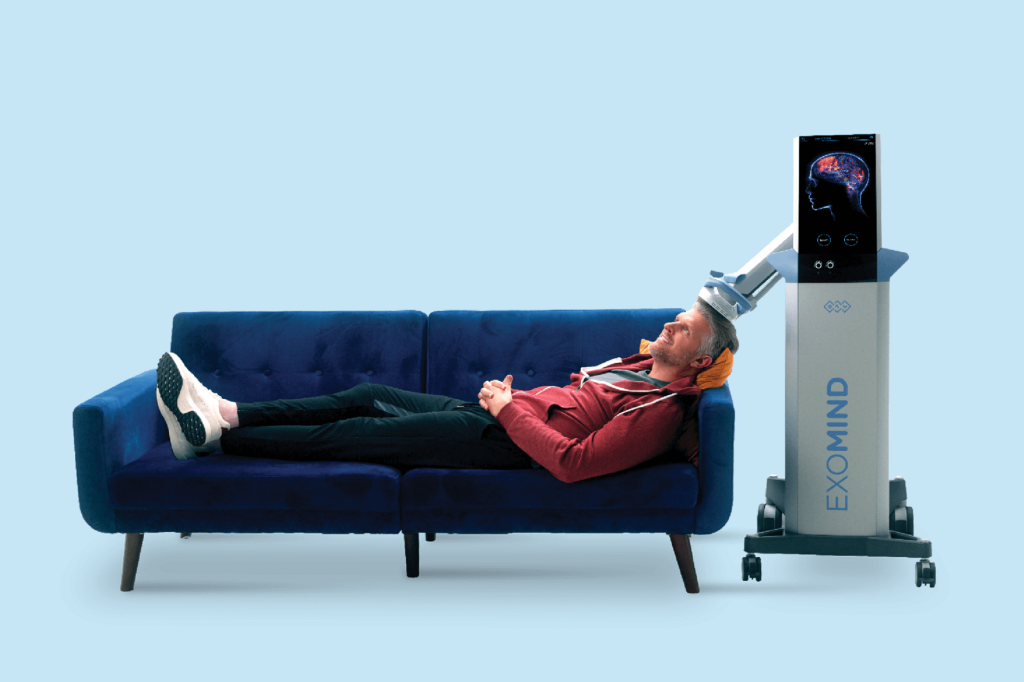
For some patients, treatment may also include ExoMind®, a non-invasive therapy that uses transcranial magnetic stimulation (TMS) technology to support focus, mood regulation, stress management, and cognitive performance when clinically appropriate.
Your treatment plan is designed to evolve as you progress, allowing your care team to monitor improvement and adjust therapies based on your ongoing needs.
When Should You Seek a Neurological Evaluation?
Occasional headaches or brief episodes of dizziness may not always require specialized care. However, persistent neurological symptoms should not be ignored, especially if they begin interfering with your daily activities or quality of life.
You may benefit from a comprehensive neurological evaluation if you experience:
- Persistent dizziness or vertigo
- Recurring migraines or headaches
- Brain fog or difficulty concentrating
- Memory concerns
- Vision changes
- Balance or coordination problems
- Unusual or involuntary movements
- Symptoms that continue despite previous treatment
Early evaluation may help identify the factors contributing to your symptoms and determine whether individualized rehabilitation is appropriate.
Finding Answers Starts with a Comprehensive Evaluation
Living with ongoing neurological symptoms can be frustrating, especially when the cause is unclear or previous treatments have not provided the relief you expected.
A comprehensive neurological evaluation can help identify the factors contributing to your symptoms and provide the information needed to develop a personalized treatment plan. By understanding how your brain and nervous system are functioning, clinicians can recommend rehabilitation strategies designed around your individual needs and goals.
If you are experiencing persistent neurological symptoms, contact NeuroHealth Services to learn more about a comprehensive evaluation and the treatment options available.
Frequently Asked Questions
What are common neurological symptoms?
Common neurological symptoms include dizziness, vertigo, headaches, migraines, brain fog, difficulty concentrating, memory concerns, vision changes, balance problems, and involuntary movements. These symptoms can have many different underlying causes, making a comprehensive evaluation important.
Can dizziness be caused by a neurological condition?
Yes. Dizziness and vertigo may be associated with conditions affecting the vestibular system or other parts of the nervous system. A neurological evaluation can help determine the underlying cause and guide appropriate treatment.
Should I be concerned about persistent brain fog?
Brain fog that continues to affect work, school, or daily activities should be evaluated, particularly if it is accompanied by other neurological symptoms such as dizziness, headaches, or memory concerns.
Can vision problems be related to neurological dysfunction?
Yes. Symptoms such as blurred vision, double vision, light sensitivity, or difficulty tracking objects may be associated with neurological dysfunction. Comprehensive assessments can help determine whether changes in neurological function are contributing to these symptoms.
How are neurological symptoms evaluated?
A comprehensive neurological evaluation typically includes a review of your medical history, symptoms, and neurological function. Depending on your needs, clinicians may also use advanced assessment technologies to evaluate balance, eye movements, cognition, reaction time, and other aspects of nervous system function before developing an individualized treatment plan.
NEUROHEALTH SERVICES
Get back to feeling like yourself naturally. Natural treatment for neural and chronic pain.
CATEGORIES
Recent Articles
ExoMind™ : A New Era of Brain Health & Recovery
Introducing ExoMind™ at NeuroHealth Services: A New Era of Brain Health & Recovery By Dr. Brad Ralston,…

Understanding the Brain’s Cognitive Landscape: The Areas of the Brain and Their Processes
On the NeuroHealth Blog, we’ve explored a range of the common symptoms we treat at Neurohealth Services,…

How Does Functional Neurology Treat Vestibular Disorders?
Many of the conditions we treat at Neuroheatlh Services involve disorders of the inner ear or the…
Is Neurorehabilitation for you?
NeuroHealth provides neurorehabilitation for all ages, specializing in treatment for vertigo, migraines, post-concussion syndrome, and other neurological disorders. Contact our office today.