


Brain Injury Awareness Month: 7 Facts About Concussions
March is Brain Injury Awareness Month, and to help direct needed attention to the large number of brain injures that go untreated and undiagnosed, we’ve compiled 7 things you need to know about concussions and why it’s important to seek treatment.
1. A concussion is a type of traumatic brain injury
It’s caused by a sudden jolt or impact causing the brain to shift within the skull. A concussion does not require a blow to the head.
2. You should limit screen time after a brain injury
The CDC recommends limiting screen time and loud music before bed, sleeping in a dark room, and sticking with a daily routine for sleeping and waking. Ease back into activities that cause eye strain and fatigue.
3. Women and girls are at higher risk for concussions
But more research is needed to determine the reason why. A 2018 study in the American Journal of Sports Medicine found female athletes are at nearly twice the risk of experiencing sports-related concussions than male athletes. The study concluded this may be due to biomechanical or hormonal differences, or even the fact that female athletes are just more likely to report their symptoms.
4. Concussion treatment promotes faster recovery
One of the myths we often hear about concussions and other brain injuries is that only time can heal them. At Neurohealth Services, we offer an array of neurorehabilitative treatment tools designed to locate and stimulate specific areas of the brain compromised by an injury. Our patients have reported significant relief of concussion symptoms following our specialized treatments.
5. Concussion symptoms are not always obvious or immediately apparent
Symptoms of post-concussion syndrome (PCS) can include insomnia, confusion, memory loss, or mood swings. Children may not have the vocabulary to describe their symptoms as well as adults and may report “just not feeling right.”
6. Post-concussion syndrome is often difficult to diagnose
Up to 95% of brain scans may appear normal after a concussion, even when specific networks have been compromised. If symptoms persist or become worse, it’s important to seek treatment in order to prevent further delays in recovery.
7. Ask for guidance on when you can safely return to activities
Routine activities such as work, school, sports, and driving may cause fatigue when your brain is healing, which can prolong recovery. We recommend gradually returning to these activities and easing back if symptoms return or worsen.
If you are still experiencing concussion symptoms that are disrupting your daily routines weeks or months after an accident or injury, please seek treatment with NeuroHealth Services. Our functional neurology team specializes in treating patients who have been unable to find relief elsewhere. Call (317) 848-6000 to schedule an evaluation today.
NEUROHEALTH SERVICES
Get back to feeling like yourself naturally. Natural treatment for neural and chronic pain.
CATEGORIES
Recent Articles
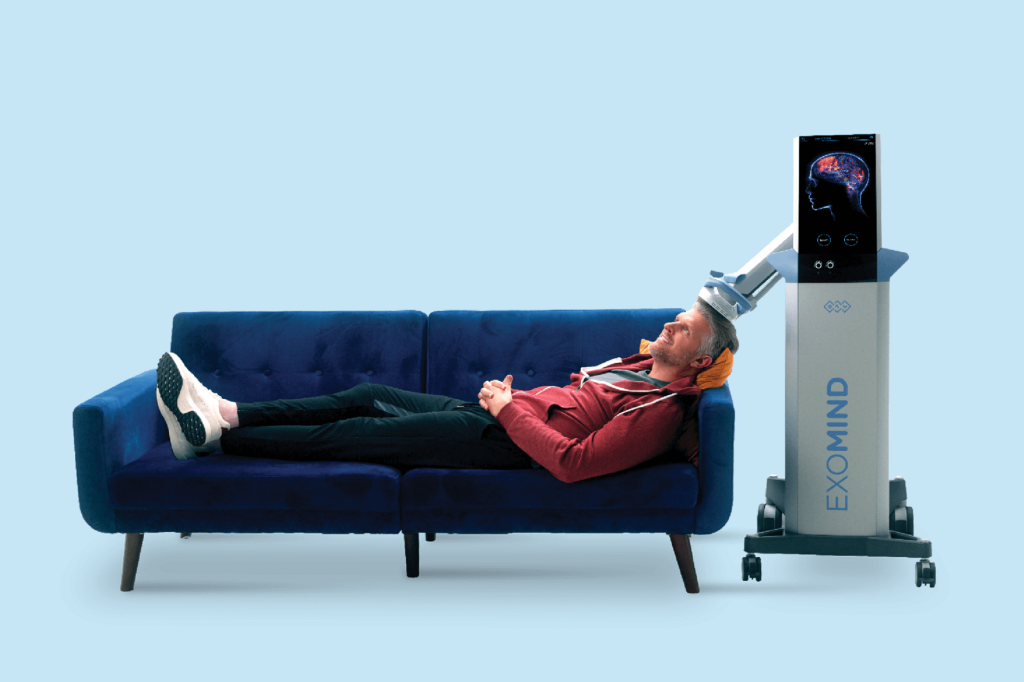
ExoMind™ : A New Era of Brain Health & Recovery
Introducing ExoMind™ at NeuroHealth Services: A New Era of Brain Health & Recovery By Dr. Brad Ralston,…
Understanding the Brain’s Cognitive Landscape: The Areas of the Brain and Their Processes
On the NeuroHealth Blog, we’ve explored a range of the common symptoms we treat at Neurohealth Services,…

How Does Functional Neurology Treat Vestibular Disorders?
Many of the conditions we treat at Neuroheatlh Services involve disorders of the inner ear or the…
Is Neurorehabilitation for you?
NeuroHealth provides neurorehabilitation for all ages, specializing in treatment for vertigo, migraines, post-concussion syndrome, and other neurological disorders. Contact our office today.