
Persistent Post-Concussion Symptoms Treatment
Treatment for Persistent Post-Concussion Symptoms
Are you still experiencing symptoms weeks or months after a concussion?
You may be dealing with dizziness, brain fog, headaches, fatigue, or difficulty concentrating. You might feel off balance, sensitive to light, or simply not like yourself.
These symptoms can make everyday activities feel harder and more unpredictable.
At NeuroHealth Services, we provide targeted concussion treatment for individuals experiencing persistent post-concussion symptoms. Our focus is on identifying what is not functioning properly and helping you move forward with a clear path to recovery.
When Concussion Symptoms Do Not Go Away
Most concussion symptoms are expected to improve within a
few weeks. When they do not, it is often referred to as post-concussion syndrome.
This does not mean your condition is permanent. In many cases,
it means certain systems in the brain have not fully recovered.
Many patients we see are still experiencing symptoms such as dizziness, fatigue, or brain fog despite:
- Resting for extended periods
- Trying medications
- Seeing multiple providers
- Being told everything looks normal
If your symptoms are ongoing, there is usually an underlying reason.

Why These Symptoms Persist
Persistent symptoms are often caused by disruptions in how different parts of the brain communicate and work together.
These symptoms may be linked to:
- The vestibular system, which affects dizziness and balance
- The visual system, which impacts focus and eye coordination
- Cognitive processing, which affects attention and mental clarity
- Autonomic function, which influences energy levels and fatigue
When these systems are not properly coordinated, your brain has to work harder to complete everyday tasks. This often leads to ongoing symptoms such as dizziness, brain fog, and low energy.

Common Symptoms We Treat
Our concussion care programs are designed for individuals experiencing symptoms such as:
Dizziness
or vertigo
Balance problems
or instability
Brain fog or
difficulty concentrating
Persistent
headaches

Sensitivity to light
or motion
Fatigue or
low energy
Feeling slowed down

A general sense of
not feeling like yourself
These symptoms are not random. They often reflect specific areas of dysfunction that can be evaluated and treated.
A Targeted Approach to Treating Symptoms
At NeuroHealth Services, we focus on restoring function rather than simply managing symptoms.
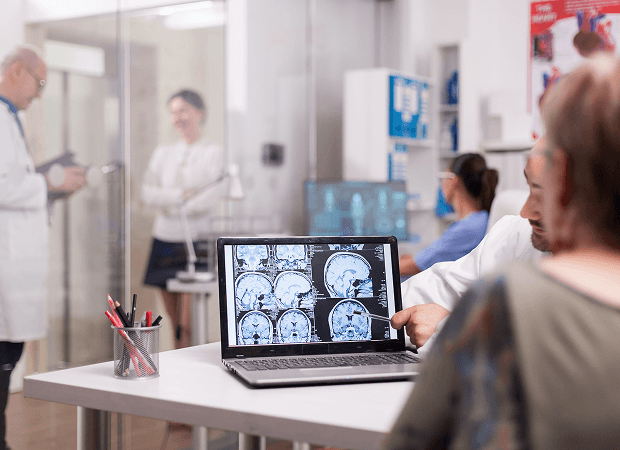
Your care begins with a detailed evaluation to understand what systems are affected. From there, we design a personalized treatment plan that may include targeted approaches such as NeuroReset Therapy to help restore how different systems in the brain work together.
Vestibular
Therapy
Designed to reduce dizziness and improve balance by retraining how your brain processes movement.
Oculomotor
Therapy
Helps improve visual tracking and coordination, which can reduce headaches and difficulty focusing.

Neurological
Stimulation
Targets areas of the brain that are not functioning optimally to support recovery.

Reaction and
Coordination Training
Improves timing, movement control, and overall brain-body communication.
Each plan is tailored to your symptoms and how your brain is functioning.
Why a Symptom-Focused Approach Matters
Many traditional approaches focus on managing symptoms or waiting for them to improve.
However, when symptoms persist, it is often because the underlying cause has not been fully addressed.
At NeuroHealth Services:
- We identify what is driving your symptoms
- We treat multiple systems together
- We create individualized plans
- We actively retrain the brain
This allows us to move beyond symptom management and focus on meaningful recovery.
Who This Is For
This page is for you if:
- You are still experiencing symptoms weeks or months after a concussion
- Your symptoms are affecting your daily life
- You have been told everything looks normal but you still feel off
- You are not improving with rest alone
- You want a structured and targeted recovery plan
If your symptoms are not improving, there may be a clear reason and a path forward.

What Recovery Can Look Like
As the underlying issues are addressed, many patients begin to notice:

Improved clarity
and focus

Better balance and coordination
Reduced dizziness
and discomfort
Greater confidence
in daily activities
The goal is not just to reduce symptoms, but to help you return to your normal routine.
Take the Next Step Toward Recovery
If you are still dealing with ongoing symptoms after a concussion, it may be time for a different approach.
At NeuroHealth Services, we help you understand what is causing your symptoms and guide you through a personalized plan for recovery.
Schedule your consultation today and take the next step toward feeling like yourself again.