
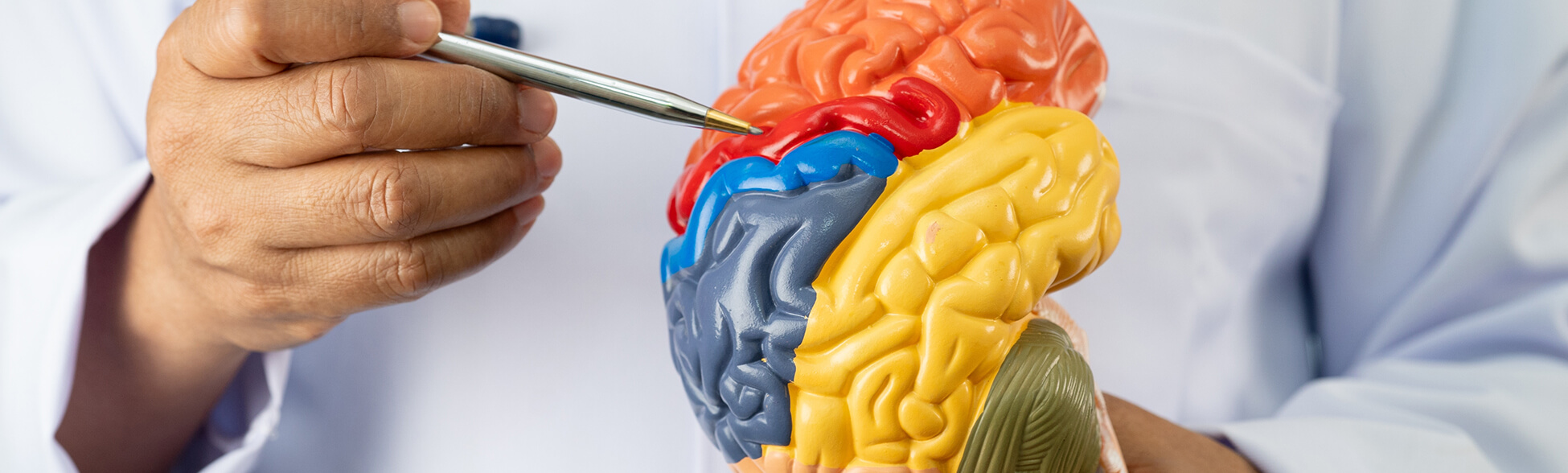

Women Have More and Worse Concussions Than Men
When we think of concussions and brain injuries we tend to associate those with men, after all, they’re the ones playing football and predominantly in combat. But studies show both female athletes and women in general suffer a higher rate of concussions than men. Female brain injuries also tend to be more severe and require longer recovery. In fact, a recent study revealed that when it comes to high school athletes, female soccer players outrank male football players in incidences of traumatic brain injury. Almost 30 percent of injuries sustained by female players are brain injuries, whereas male football players have a much lower rate of brain injury at 24 percent. High school female athletes with concussions also reported more problems with sound and light sensitivity, nausea, dizziness, and drowsiness and took longer to recover. Professional female athletes also have significantly more brain injuries than their male counterparts in every sport except swimming and diving.
Why do women have more concussions?
Although researchers don’t have definitive answers, looking at the structure of the female neck and head compared to the male can give us insight.
The male neck is much stronger, bigger, and better able to handle acceleration than the female neck. When it comes to bone and neck strength, women are at a disadvantage when it comes to impacts, blows, and falls that affect the head and neck.

Female hormones and brain injury
Scientists have also found that female hormones appear to play a large role in brain injury risk. Female concussion risk and consequences are largely similar to male before puberty and after menopause. However, during the reproductive years, a woman’s menstrual cycle can affect how badly she is affected by a brain injury. For instance, women injured during the last two weeks of their cycle fare worse from a concussion than those injured during the first two weeks.
Severity risk also appears to be tied to fluctuations in hormone levels throughout the cycle. The drops in estrogen during ovulation and menstruation trigger migraines in some women and may be periods of increased risk. Misconceptions around gender and concussions compound the problem. Many people still assume girls and women are at less risk for concussion and their symptoms go unreported simply due to lack of awareness. Pink Concussions is an organization dedicated to raising awareness and promoting research on concussions in women and girls.
Female hormones and brain injury
Scientists have also found that female hormones appear to play a large role in brain injury risk. Female concussion risk and consequences are largely similar to male before puberty and after menopause. However, during the reproductive years, a woman’s menstrual cycle can affect how badly she is affected by a brain injury. For instance, women injured during the last two weeks of their cycle fare worse from a concussion than those injured during the first two weeks.
Severity risk also appears to be tied to fluctuations in hormone levels throughout the cycle. The drops in estrogen during ovulation and menstruation trigger migraines in some women and may be periods of increased risk. Misconceptions around gender and concussions compound the problem. Many people still assume girls and women are at less risk for concussion and their symptoms go unreported simply due to lack of awareness. Pink Concussions is an organization dedicated to raising awareness and promoting research on concussions in women and girls.
NEUROHEALTH SERVICES
Get back to feeling like yourself naturally. Natural treatment for neural and chronic pain.
CATEGORIES
Recent Articles
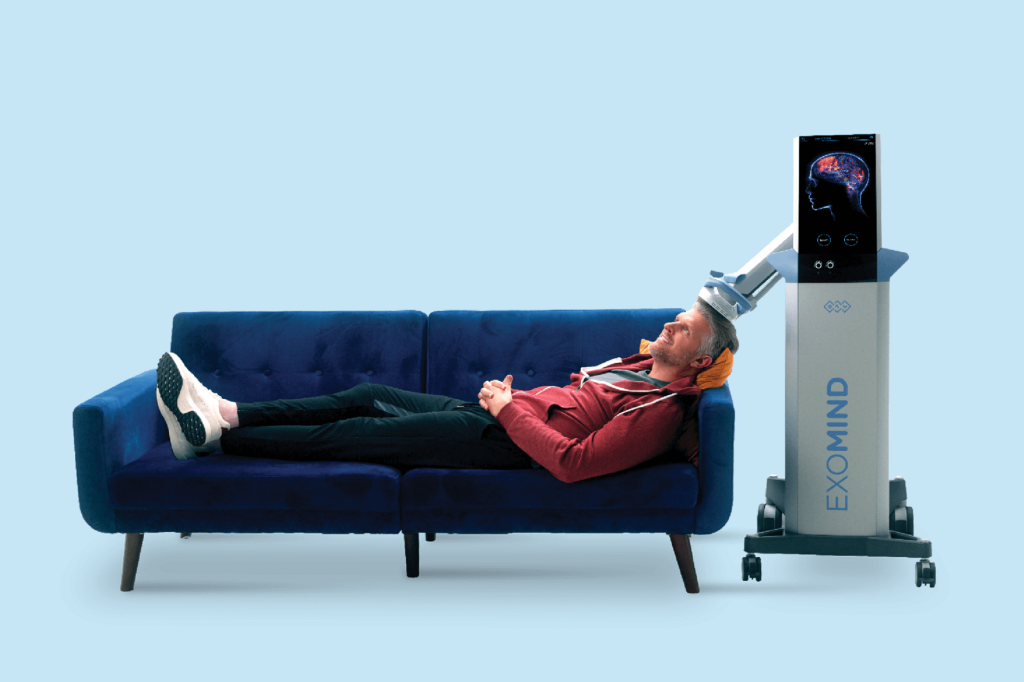
ExoMind™ : A New Era of Brain Health & Recovery
Introducing ExoMind™ at NeuroHealth Services: A New Era of Brain Health & Recovery By Dr. Brad Ralston,…
Understanding the Brain’s Cognitive Landscape: The Areas of the Brain and Their Processes
On the NeuroHealth Blog, we’ve explored a range of the common symptoms we treat at Neurohealth Services,…

How Does Functional Neurology Treat Vestibular Disorders?
Many of the conditions we treat at Neuroheatlh Services involve disorders of the inner ear or the…
Is Neurorehabilitation for you?
NeuroHealth provides neurorehabilitation for all ages, specializing in treatment for vertigo, migraines, post-concussion syndrome, and other neurological disorders. Contact our office today.