
The Hidden Impact of a Car Crash: Concussion Symptoms and Effective Treatments
Concussions are frequently misunderstood, particularly when they occur as a result of a car accident or other incident that doesn’t involve a direct blow to the head. The sudden jolt of a car collision can lead to a concussion without any direct impact.
What Does a Concussion Feel Like?
After a car accident, it’s important to be aware of the signs and symptoms of a concussion, Sometimes they can be subtle and may not appear right away. Here are some “red flag” symptoms to watch for:
Cognitive Difficulties
- Problems with attention and concentration
- Memory issues, including difficulty recalling recent events
- Slowed thinking and processing speed
- Difficulty concentrating while driving
- Increased anxiety or panic in busy environments, such as shopping malls
- Trouble processing busy backgrounds or patterns, leading to disorientation or dizziness
Physical Symptoms
- Headaches and migraines
- Dizziness and balance problems
- Nausea and vomiting
- Sensitivity to light and sound
Emotional and Sleep Disturbances
- Irritability and mood swings
- Anxiety and depression
- Sleep disturbances, including insomnia or excessive sleepiness
When Scans Appear Normal But Symptoms Persist
It can be frustrating for patients when they experience persistent symptoms, yet scans appear normal. Traditional imaging like MRIs and CTs are excellent at detecting traumatic injuries but often miss the more subtle inflammation that happens with a concussion. When symptoms linger or become worse – or if new symptoms emerge – post-concussion syndrome (PCS) may be the cause. When untreated, these symptoms can significantly interfere with your quality of life.
Functional Neurology’s Approach to a Car Crash Concussion
Neurohealth Services uses a comprehensive approach to assess and treat concussions, and it begins with an accurate diagnosis. One of the treatment tools we use is RightEye, an eye-movement tracking technology that helps us examine motor function.
A quick, non-invasive RightEye test can immediately spot abnormalities that might indicate a concussion. Videonystagmography (VNG) is another diagnostic option used to detect vestibular and oculomotor abnormalities. Once diagnosed, we can assess other factors such as balance, posture, blood chemistry, and family and medical history.
Detailed Patient History and Symptom Tracking
We take an extensive history to understand the specifics of the car accident and subsequent symptoms. Continuous monitoring and documentation of your symptoms allow us to track your progress and identify patterns that could be hindering your recovery. We’ll proceed with vestibular and balance testing to identify any issues with ongoing dizziness. Additional neurocognitive testing and oculomotor assessments can provide further insight into specific areas to focus on in treatment.
NeuroReset: A Tailored Treatment Plan
NeuroReset is an intensive 5-day neurorehabilitation program designed for patients still experiencing concussion symptoms weeks or months after an injury. Some of our advanced treatment technology at Neurohealth includes:
GyroStim: This device enables a type of vestibular therapy proven to reduce symptoms associated with concussion. The patient to perform a variety of exercises and challenges while seated in a multi-axis rotational chair controlled by a computer program.
Virtualis Virtual Reality: measures a patient’s limits of stability and integrating somatosensory, visual, and vestibular systems; facilitates functional rehabilitation by simulating realistic environments such as supermarkets, crowded spaces, and escalators.
Dynavision D2®: The D2 provides both a diagnostic and treatment device to enable sensory-motor integration through the visual system.
Interactive Metronome®: This neurological assessment and treatment tool helps improve a patient’s motor planning and sequencing ability.
Other general areas of treatment can include:
Visual Therapy: Techniques to address light sensitivity and visual disturbances.
Cognitive Rehabilitation: Strategies to enhance memory, attention, and cognitive processing.
Lifestyle Modifications: Guidance on sleep hygiene, nutrition, and stress management to support overall recovery.
Get Concussion Help Today
If you or a loved one has suffered a car crash concussion, don’t rely solely on traditional scans to validate your experience. The skilled team at Neurohealth Services understands the complexities of concussions and PCS, and we’re dedicated to providing a thorough evaluation and customized treatment plan to help you recover fully. Take the first step and call (317) 848-6000 to schedule a free 10-minute phone consultation.
NEUROHEALTH SERVICES
Get back to feeling like yourself naturally. Natural treatment for neural and chronic pain.
CATEGORIES
Recent Articles
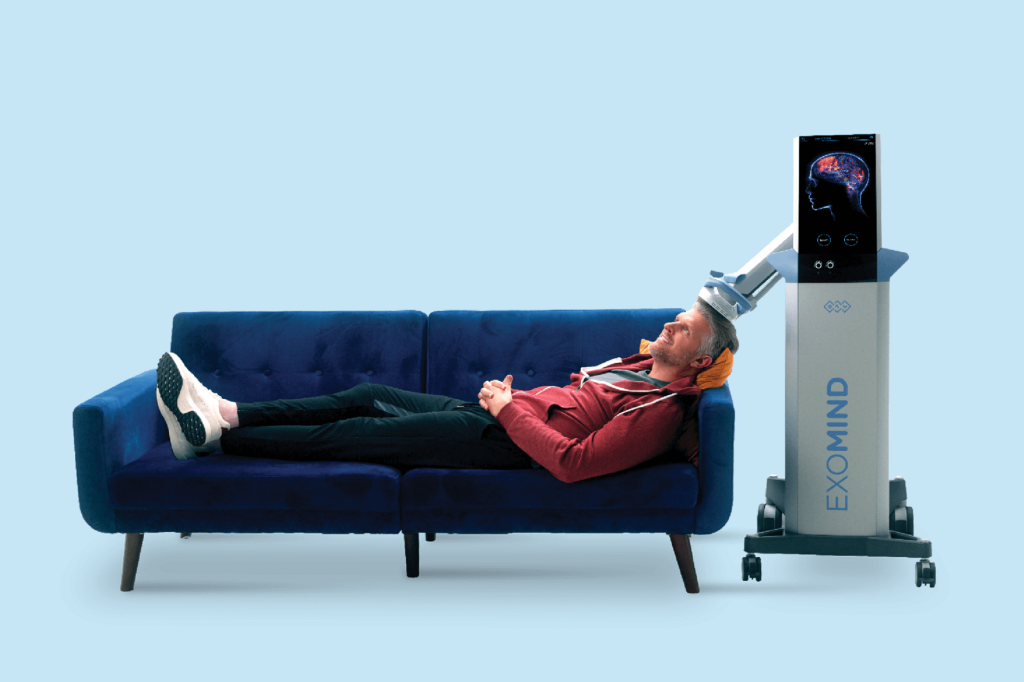
ExoMind™ : A New Era of Brain Health & Recovery
Introducing ExoMind™ at NeuroHealth Services: A New Era of Brain Health & Recovery By Dr. Brad Ralston,…
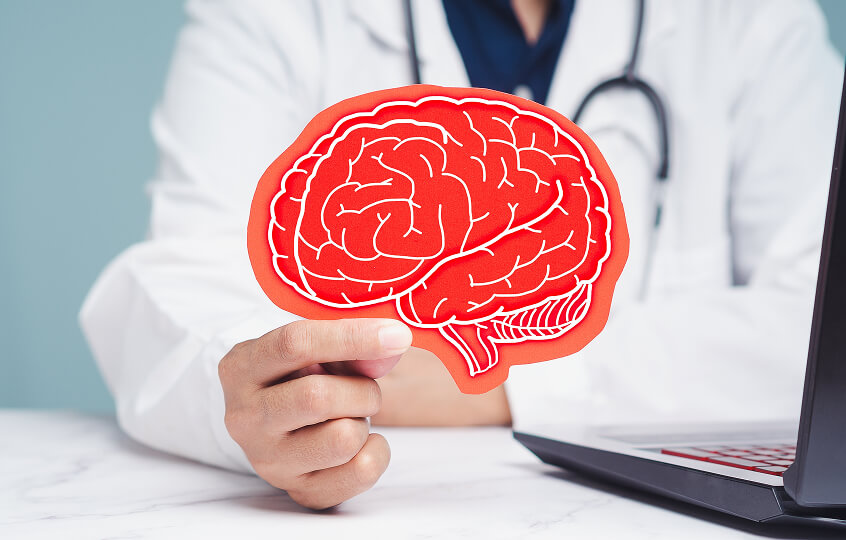
Understanding the Brain’s Cognitive Landscape: The Areas of the Brain and Their Processes
On the NeuroHealth Blog, we’ve explored a range of the common symptoms we treat at Neurohealth Services,…

How Does Functional Neurology Treat Vestibular Disorders?
Many of the conditions we treat at Neuroheatlh Services involve disorders of the inner ear or the…
Is Neurorehabilitation for you?
NeuroHealth provides neurorehabilitation for all ages, specializing in treatment for vertigo, migraines, post-concussion syndrome, and other neurological disorders. Contact our office today.