
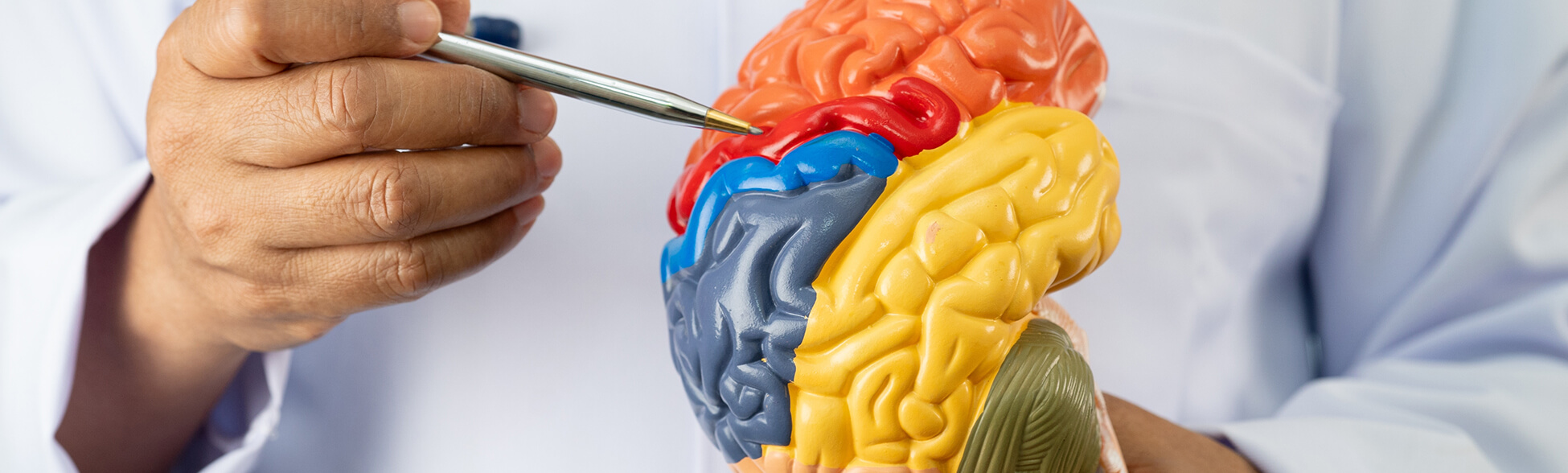

The Gut-Brain Connection: How the Vagus Nerve Influences Digestive Health
With winter holidays quickly approaching, many of us have food on our minds. But there’s a neurological connection to holiday festivities that might surprise you: the vagus nerve. This critical nerve is the main pathway of the “gut-brain axis” and plays a powerful role in our digestive health.
What Is the Vagus Nerve?
The vagus nerve is one of the longest nerves in the body, connecting the brainstem to the digestive tract, heart, and other key organs. It acts as a communication superhighway, sending signals between the gut and the brain. This pathway influences digestive function, immune responses, and even mood regulation.
How the Vagus Nerve Affects Digestion
A well-functioning vagus nerve contributes to healthy digestion and nutrient absorption—things we all want to work their best as we enjoy our holiday meals! When you eat, the vagus nerve helps regulate digestive enzymes, signals your stomach to produce acid, and controls the muscle contractions that push food through the digestive tract.
The Stress Factor: How the Brain and Gut Interact
Holiday stress and overeating can easily disrupt digestion, but understanding how the vagus nerve manages this connection can help you better control it. When we’re under stress, the vagus nerve’s activity may decrease, impairing digestive function. This response is linked to the stress hormone cortisol, which causes the body to prioritize functions like heart rate over digestion. This is why chronic stress can lead to symptoms such as bloating, indigestion, inflammation, and conditions like irritable bowel syndrome (IBS).
Functional Neurology Support for Gut and Brain Health
Functional neurology addresses gastrointestinal disorders such as IBS, leaky gut syndrome, food sensitivities, and autoimmune and inflammatory conditions by optimizing the gut-brain connection. We begin with a comprehensive assessment, often including neurological exams, hormone testing, food sensitivity panels, and markers for gut inflammation or bacterial overgrowth. These in-depth diagnostics help us identify imbalances between the nervous system and the gut.
Neurohealth Services treatment focuses on healing the gut, reducing inflammation, and supporting the nervous system. We may recommend foods that stimulate healing, supplements with probiotics, digestive enzymes, and amino acids that can help repair and strengthen the gut lining. We can also incorporate exercises, stress-reduction techniques, and lifestyle adjustments designed to regulate digestion, and manage inflammation. This holistic approach aims to address root causes and create lasting improvements in GI health.
This holiday season, remember that our health goes beyond what’s on the plate. By taking care of that gut-brain superhighway and helping your body manage holiday stress and digestive demands, you can invest in your overall wellness and enjoy the season to the fullest! Schedule a free 10-minute phone consultation to learn more: (317) 848-6000
NEUROHEALTH SERVICES
Get back to feeling like yourself naturally. Natural treatment for neural and chronic pain.
CATEGORIES
Recent Articles
ExoMind™ : A New Era of Brain Health & Recovery
Introducing ExoMind™ at NeuroHealth Services: A New Era of Brain Health & Recovery By Dr. Brad Ralston,…
Understanding the Brain’s Cognitive Landscape: The Areas of the Brain and Their Processes
On the NeuroHealth Blog, we’ve explored a range of the common symptoms we treat at Neurohealth Services,…

How Does Functional Neurology Treat Vestibular Disorders?
Many of the conditions we treat at Neuroheatlh Services involve disorders of the inner ear or the…
Is Neurorehabilitation for you?
NeuroHealth provides neurorehabilitation for all ages, specializing in treatment for vertigo, migraines, post-concussion syndrome, and other neurological disorders. Contact our office today.