


Four Ways the Flu Affects the Brain
Indianapolis-area hospitals are reporting an early flu spike this season, as well as a significant number of flu patients being hospitalized. As temperatures get colder and we spend more time in enclosed spaces, experts are advising people to wash their hands regularly, routinely disinfect surfaces and objects that are touched often, to avoid work, school, and other social gatherings when sick, and for anyone eligible to get the flu vaccine.
What is not often discussed in the news is the flu’s connection to cognitive function. Here are four ways the brain can be impacted by the flu.
Brain Fog
You may have only heard the term “brain fog” in relation to COVID-19, but did you know it can also occur with flu and other infections? Inflammatory proteins that form as part of the body’s immune response to a virus also impair cognitive function. Research has shown these impairments can last several weeks after common flu symptoms have subsided.
Labyrinthitis
Labrynthitis is a disorder caused by inflammation of the inner ear that can cause pain, pressure, blurred vision, hearing loss, and vertigo. The cause of this condition is usually a common cold, flu, or viral infection.
Vestibular Neuritis
This is another inner ear disorder than can cause vertigo, nausea, and difficulty concentrating. It can also cause tinnitis and temporary hearing loss. The flu, inner ear infections, and even the virus that causes shingles and chickenpox can lead to vestibular neuritis.
Long-Term Neuroinflammation
Cognitive deficits including impaired spatial memory formation (processing information about our location and surroundings) and long-term impairment to the central nervous system have been reported as a result of influenza.
Treatment and Prevention
The good news is that all of these conditions are treatable. Our experts at Neurohealth Services use diagnostic testing including videonystagrography (VNG) and dynamic posturography to pinpoint the area of inflammation affecting the brain and develop a customized neurorehabilitation plan to alleviate symptoms and improve your overall health.
But the easiest way to avoid these conditions is to get your seasonal flu vaccine and follow precautions advised by your local public health experts. Although September and October are recommended as the best times to be vaccinated against flu, the shot is still recommended right now, since the flu most commonly peaks in February and significant activity can continue into the spring.
If you’ve had influenza, COVID-19, an inner ear infection, or another virus that has caused brain fog or vestibular dysfunctions, our experts at Neurohealth Services can provide a free consultation to discuss your symptoms and the best course of treatment. Call our Indianapolis functional neurology office today: (317) 848-6000.
NEUROHEALTH SERVICES
Get back to feeling like yourself naturally. Natural treatment for neural and chronic pain.
CATEGORIES
Recent Articles
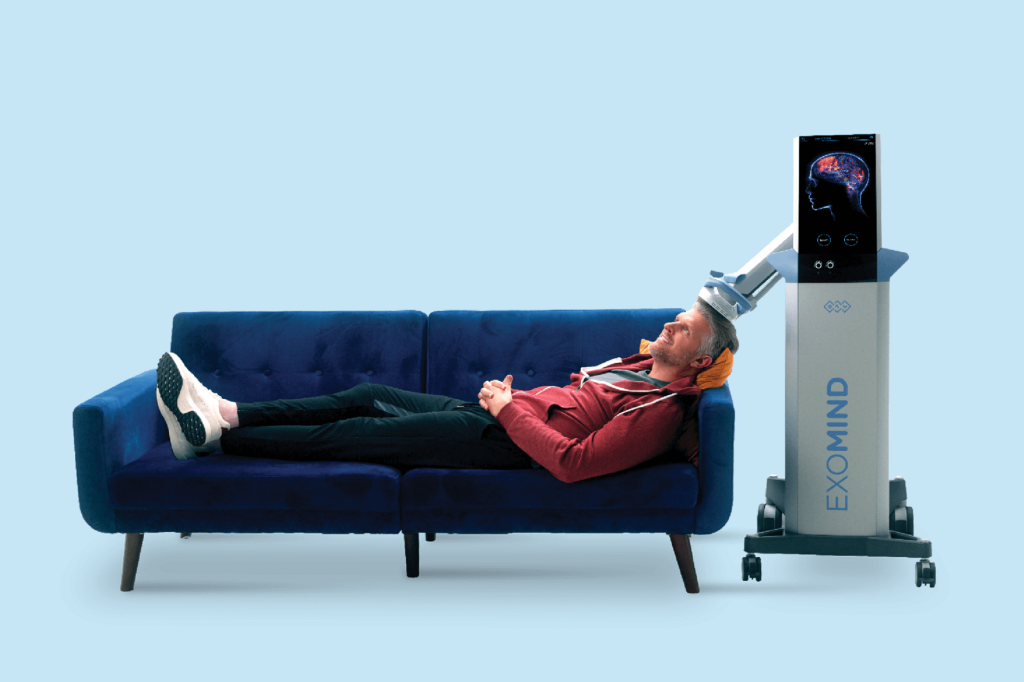
ExoMind™ : A New Era of Brain Health & Recovery
Introducing ExoMind™ at NeuroHealth Services: A New Era of Brain Health & Recovery By Dr. Brad Ralston,…
Understanding the Brain’s Cognitive Landscape: The Areas of the Brain and Their Processes
On the NeuroHealth Blog, we’ve explored a range of the common symptoms we treat at Neurohealth Services,…

How Does Functional Neurology Treat Vestibular Disorders?
Many of the conditions we treat at Neuroheatlh Services involve disorders of the inner ear or the…
Is Neurorehabilitation for you?
NeuroHealth provides neurorehabilitation for all ages, specializing in treatment for vertigo, migraines, post-concussion syndrome, and other neurological disorders. Contact our office today.